2026 Best Ball Bearing Types for Optimal Performance?
In 2026, the quest for optimal performance in machinery and everyday applications heavily relies on the right Ball Bearing types. Ball bearings, essential in reducing friction, are crucial for efficiency in various industries. A report from the International Bearing Association indicates that the global ball bearing market was valued at approximately $29 billion in 2022 and is projected to grow significantly. This highlights the importance of selecting the right types.
Different applications require specific bearing characteristics. From high-speed operations in automotive engines to heavy-load operations in industrial machinery, the correct choice matters. For instance, ceramic ball bearings may offer lightweight performance, but they may not always withstand heavy loads. That could lead to premature failure. Users must consider factors such as load capacity, speed, and environment.
The ideal type of ball bearing needs continuous evaluation. Many users often choose based on cost rather than performance. This oversight can result in operational inefficiencies. As we explore the best ball bearing types this year, the objective is to provide clarity and assist users in making informed decisions. Each type comes with its own set of advantages and limitations to reflect on.
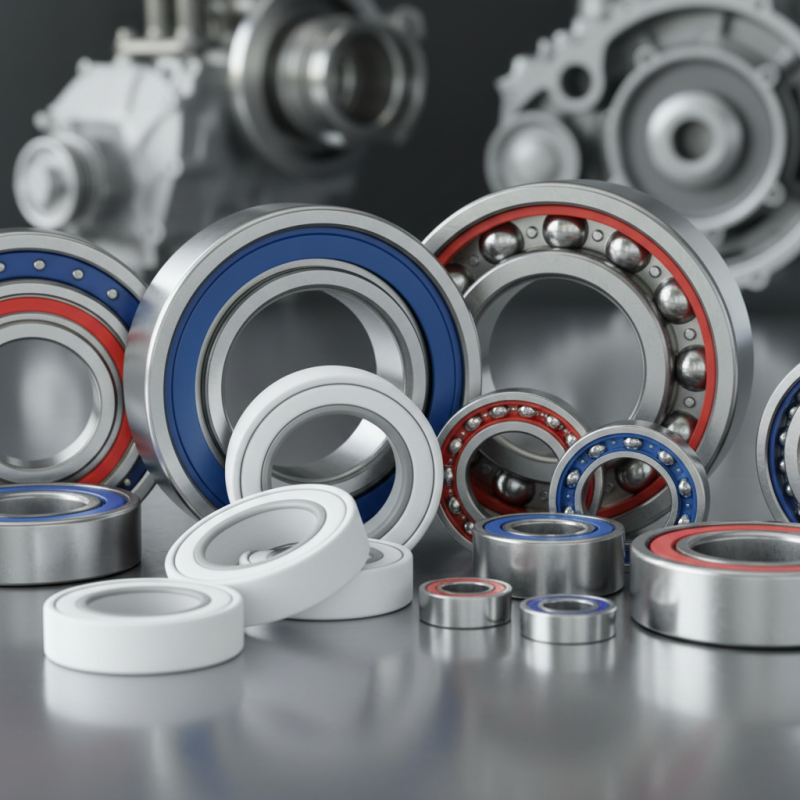
Overview of Ball Bearings and Their Importance in Mechanical Systems
Ball bearings are essential components in various mechanical systems. They reduce friction between moving parts, enhancing efficiency. The right ball bearing can improve performance and extend machinery life. Different types serve distinct purposes, which makes selection critical.
Choosing the optimal ball bearing isn't always clear-cut. Understand application demands. Will the system face heavy loads or high speeds? Evaluate environmental factors too. Dust and moisture can affect performance.
Tips: Always check load ratings. Regular maintenance can prevent failures. Monitor for unusual sounds during operation. Sometimes, even the best bearings wear out. Reflect on failure modes in your designs. Ensure your selections align with operational needs.
Types of Ball Bearings: An In-Depth Look at Popular Variants
When it comes to ball bearings, understanding different types is vital. Each type serves specific applications. Deep groove ball bearings are versatile and can handle radial and axial loads. They are often used in motors and gearboxes. Conversely, angular contact ball bearings are designed for high-speed applications and can support greater axial loads.
Tips: Always consider the operating conditions. High temperatures can impact bearing performance. Regular maintenance is crucial to prolong bearing life.
Another popular type is self-aligning ball bearings. They can tolerate shaft misalignment, which is advantageous in dynamic setups. However, their load capacity is generally lower than other types.
Tips: Check for signs of wear. Listen for unusual noises during operation. Early detection can prevent costly downtime. Regular inspections can save you from larger repairs.
Factors Influencing Ball Bearing Performance and Selection Criteria
When selecting ball bearings, several factors influence their performance. Load capacity is one such factor. Bearings must support the weight of their application. Choosing a bearing with too low a capacity can lead to premature failure. This is a common oversight. Another aspect is speed. High-speed applications require specific design features. Overspeeding a bearing can cause overheating and failure.
Material also plays a crucial role. Bearings made from high-quality steel or ceramics are popular choices. They resist wear and provide better durability. However, there are trade-offs. For instance, ceramic bearings are lighter but more brittle. This fact should not be underestimated. The environment is also significant. Factors like humidity and dirt can negatively impact performance. Often, people overlook proper sealing to protect bearings.
Finally, precision is vital. Bearings must fit precisely within their housing. Misalignment can lead to increased friction and efficiency loss. It is a frequent issue that needs addressing. Finding the right balance in these factors ensures optimal performance. Each choice directly affects the lifespan and effectiveness of the bearing. Careful consideration is essential to avoid costly mistakes.
Applications of Ball Bearings Across Various Industries
Ball bearings are crucial components in many industries. They reduce friction and support rotational movement. Their applications range from automotive to aerospace, each with specific demands. In the automotive sector, ball bearings ensure smooth wheel rotation. They help in driving efficiency, which is critical for fuel economy.
In the aerospace industry, ball bearings face extreme conditions. They must endure high speeds and variable temperatures. The design and materials need to be precise, yet failures can still occur. Regular inspection is vital. In manufacturing, ball bearings improve machinery performance. They enhance productivity but require careful maintenance, as wear can lead to costly downtimes.
Even in the simplest of applications, like electric fans, ball bearings are essential. Misalignment can create unnecessary noise. This highlights the need for proper installation and alignment. Although ball bearings are often taken for granted, their role is significant. Reflecting on these details is important for optimal performance in any industry.
Future Trends in Ball Bearing Technology and Design Innovations
The field of ball bearing technology is advancing rapidly. Innovations focus on materials and design. New composite materials offer lighter options. These materials can improve performance under high stress. Enhanced lubrication techniques are also being introduced. They reduce wear and extend service life.
Design innovations are key to future trends. Increased attention is on reducing friction. This leads to better energy efficiency. Some new bearings feature a hybrid design. This combines ceramics and metals for optimal performance. However, challenges remain. Balancing durability and weight is not easy. Engineers must rethink traditional shapes and systems.
Sustainability is becoming a priority. Environmentally friendly materials are in demand. The industry faces pressure to reduce waste. This is a complex issue. Being efficient while being green is challenging. It requires more research and clever engineering. Forward-thinking designs could change the landscape significantly.