China Top 10 Tube Laser Cutting Machine Manufacturers?

China has become a major manufacturing base for Tube Laser Cutting equipment. Its suppliers now serve automotive, construction, furniture, and precision engineering companies worldwide. However, choosing a reliable manufacturer requires more than comparing laser power or online prices.

This guide introduces ten leading Chinese tube laser cutting machine manufacturers. The selection considers production experience, cutting accuracy, automation, after-sales support, software capability, and export performance. Factory scale matters. So does practical evidence from installed machines, service records, and customer feedback.

Dr. Paul Hilton, a respected laser-processing specialist, states, “Laser cutting is a process, not simply a machine.” That principle is easy to overlook. A powerful resonator cannot correct weak software, poor clamping, or unstable material handling. In real workshops, a clean six-meter tube, a precise chuck, and a responsive technician often matter more than impressive advertising.

The companies discussed here differ in strengths. Some focus on high-volume industrial systems. Others provide flexible machines for small and medium-sized fabricators. Several combine tube cutting with plate cutting, welding, or automated loading. These differences affect investment value.

No ranking is perfect. Market data changes. Distributor claims may also require verification. Therefore, readers should examine certifications, test-cut results, warranty terms, spare-parts access, and local technical support before purchasing. A machine may look excellent in a showroom but perform differently under daily production pressure.

This overview offers a practical starting point. It does not replace an engineering audit. Careful buyers should test their own materials, tolerances, tube sizes, and production targets before making a final decision.
China Top 10 Tube Laser Cutting Machine Manufacturers?

What Is a Tube Laser Cutting Machine?

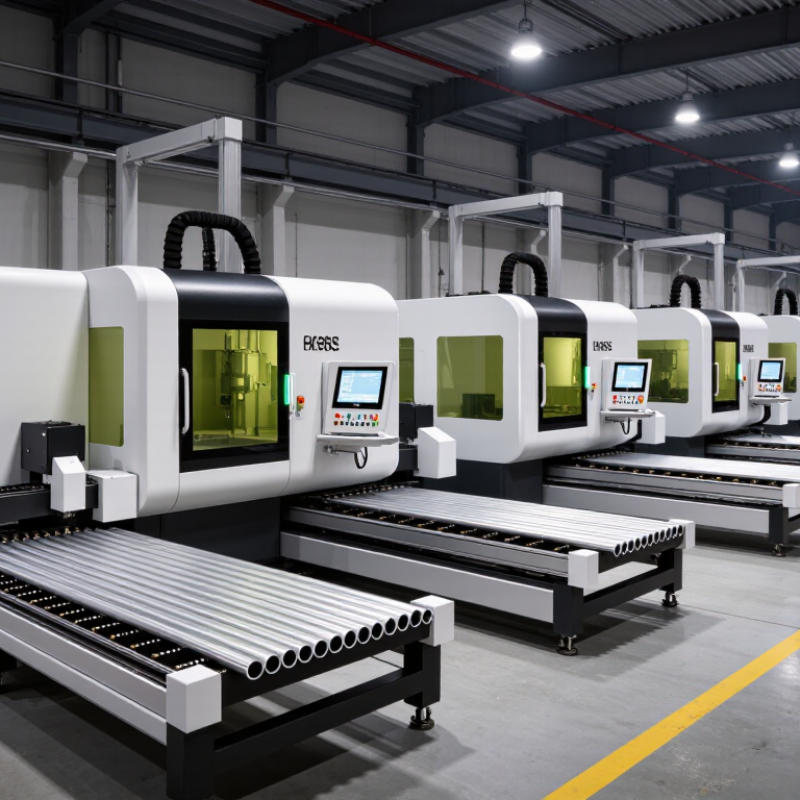
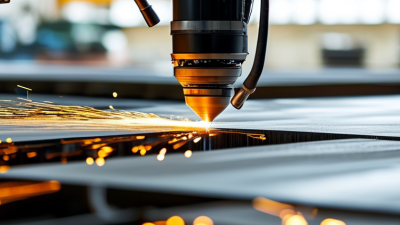
A tube laser cutting machine uses a focused laser beam to cut metal tubes and profiles. It can process round, square, rectangular, and oval sections. Unlike a flat-bed cutter, it rotates the workpiece while the cutting head moves along its length. This coordinated motion creates holes, slots, mitre cuts, and detailed joint shapes.

A typical system includes a fiber laser source, rotary chuck, motion rails, cutting head, and control software. The chuck must hold the tube firmly without damaging its surface. Sensors measure position and reduce alignment errors. Assist gas, such as nitrogen or oxygen, removes molten metal from the cut. The correct gas depends on the material, thickness, and desired edge quality.

In practical workshops, operators usually import a drawing, confirm the tube dimensions, and adjust cutting parameters. Stainless steel may need different settings from mild steel. Small changes matter. A loose chuck can produce uneven holes. Heat can also affect thin-wall tubing. No machine is perfect. Regular lens cleaning, rail inspection, and test cuts remain necessary. I have found that careful setup often matters as much as laser power. A fast machine can still waste material when programming or loading measurements are wrong. Reliable production depends on operator training, documented maintenance, and verified dimensional checks.
How to Evaluate Chinese Tube Laser Cutting Machine Manufacturers

How to Evaluate Chinese Tube Laser Cutting Machine Manufacturers

China’s tube laser sector benefits from a broad manufacturing base. The International Federation of Robotics reported 276,288 industrial robot installations in China during 2023, representing about 51% of global installations. This figure does not prove cutting-machine quality, but it signals strong automation experience. Grand View Research also projects steady growth in the global laser cutting machine market through 2030. Buyers should examine the factory, not only market statistics.

Request a live cutting test using your own tube samples. Check roundness, square-tube corner quality, piercing time, kerf consistency, and slag on a 3-millimeter steel tube. Ask for measured tolerances, not promotional phrases. Review spindle alignment records, laser-source maintenance procedures, and software update policies. Confirm whether the machine complies with ISO 12100 and relevant electrical safety requirements.

Look closely at after-sales evidence. Ask for response-time records, spare-part availability, installation training, and customer references from similar production environments. A supplier should provide material-specific cutting parameters and energy-consumption data. The International Organization for Standardization reports that ISO 9001 certification supports controlled quality-management processes, but certification alone cannot replace a factory audit. No checklist is flawless. A polished showroom can still hide weak calibration discipline. I would also inspect unfinished machines, interview technicians privately, and compare test results with the promised figures. That uncomfortable step often reveals more than a long catalog.

China’s Top 10 Tube Laser Cutting Machine Manufacturers

China’s top 10 tube laser cutting machine manufacturers are often judged by more than price. A reliable supplier should show cutting samples, factory records, and clear service terms. During a practical review, buyers can examine machines cutting round, square, rectangular, and channel steel tubes. The test should include both thin stainless steel and thicker carbon steel. Clean edges matter. So does stable performance after several hours.

Strong manufacturers usually offer machines with automatic loading, pneumatic chucks, and fiber laser systems. Tube lengths may range from three to twelve meters, depending on the model. Buyers should check positioning accuracy, repeatability, software compatibility, and electrical protection.

A well-designed control cabinet keeps wiring organized and simplifies maintenance. Operators also need clear instructions, spare-part access, and responsive technical support.

Factory visits reveal details that brochures rarely mention. Watch the welding quality, guide rails, calibration process, and final inspection records. Ask for a real production demonstration, not only a prepared video. No ranking is perfect. A manufacturer may perform well on thin tubes but struggle with heavy profiles. Another may offer excellent hardware yet provide weak training. That difference becomes obvious when production pressure rises. Independent testing, written specifications, and customer references make China’s top 10 tube laser cutting machine manufacturers easier to compare.

Key Technologies and Features of Leading Chinese Brands

China’s leading tube laser cutting machine manufacturers compete through practical engineering, not only headline power ratings. Their systems commonly use fiber laser sources, automatic focusing heads, and servo-driven chucks for round, square, rectangular, and channel steel tubes. These features support clean cuts on frames, furniture parts, construction components, and vehicle structures.

Advanced models combine camera alignment, automatic centering, and nesting software to reduce material waste. Some machines detect tube deformation before cutting. This matters when long profiles rotate at high speed. Pneumatic or hydraulic chucks can improve stability, while collision sensors protect the cutting head during uneven loading. Reliable manufacturers also provide remote diagnostics, operator training, spare-parts support, and clear maintenance schedules. A strong demonstration should show actual production samples, not only polished showroom footage.

Tips: Ask for cutting tests with your own tube sizes. Check edge quality, cycle time, gas consumption, and loading accuracy. Review software compatibility carefully. No machine is perfect. Thin tubes may distort, and thick sections may need slower settings. A cheaper system can become expensive when calibration, training, or service response is weak. Confirm electrical standards, warranty terms, installation duties, and local technical support before purchase.

China Top 10 Tube Laser Cutting Machine Manufacturers? - Key Technologies and Features of Leading Chinese Brands
Anonymized technical benchmark of representative Chinese tube-laser machine profiles; specifications are typical market capability ranges rather than company-specific claims.
Benchmark Rank Anonymous Manufacturer Profile Typical Laser Power Tube and Profile Capability Tube Diameter Range Drive and Positioning Technology Cutting-Head Features Automation Features Control and Software Common Applications
01 Profile A
High-volume production
3–6 kW fiber laser Round, square, rectangular, oval and channel sections; heavy-duty tube loading 20–240 mm Servo-driven rotary axis with rack-and-pinion transmission; automatic tube centering Autofocus cutting head, capacitive height sensing, collision protection Automatic loading and unloading; remnant management; optional bundle loader CNC nesting, tube-seam recognition, piercing control and production monitoring Steel structures, construction machinery, agricultural equipment and metal furniture
02 Profile B
Flexible fabrication
2–4 kW fiber laser Standard structural profiles and multi-side tube processing 10–220 mm Servo-controlled chuck rotation with synchronized linear axes Autofocus lens adjustment, anti-collision function and automatic nozzle calibration Semi-automatic loading; pneumatic chucking; finished-part collection table CAD/CAM import, automatic lead-in generation and cutting-parameter libraries Fitness equipment, lighting, shelving, railings and general fabrication
03 Profile C
Heavy tube processing
4–12 kW fiber laser Large round and square tubes, H-sections, I-sections and angle profiles 30–350 mm High-torque rotary chuck, reinforced guideways and long-bed linear motion High-power autofocus head, water cooling and active collision monitoring Powered loading system; automatic support rollers; optional storage tower interface 3D tube-intersection programming, nesting optimization and process alarms Heavy equipment, bridges, trailers, cranes and industrial frames
04 Profile D
Compact production
1.5–3 kW fiber laser Small and medium profiles with emphasis on rapid changeover 10–160 mm Dual pneumatic or electric chuck system with servo synchronization Autofocus cutting head, automatic focal calibration and protective window monitoring Manual or semi-automatic loading; quick-change support rollers Touchscreen CNC, graphical job setup and barcode-based job selection Retail fixtures, kitchen equipment, bicycles and small metal components
05 Profile E
Multi-process platform
2–6 kW fiber laser Tube cutting combined with optional flat-sheet cutting on selected platforms 20–230 mm Rotary axis with precision chucking and automatic axis calibration Autofocus head, height control and interchangeable cutting nozzles Integrated tube-sheet workflow; automatic part sorting available on configured systems Shared CAD/CAM environment, nesting, simulation and cutting-time estimation Contract manufacturing, machine components and diversified job shops
06 Profile F
Precision-oriented
1.5–3 kW fiber laser Thin- and medium-wall round, square and rectangular tubing 10–180 mm Servo rotary axis with encoder feedback and fine tube alignment High-speed autofocus head, stable capacitive sensing and nozzle centering Manual loading with optional automatic feeding for repeat orders Fine-feature cutting, corner compensation and parameter control by material type Automotive components, office furniture, displays and precision assemblies
07 Profile G
Entry-to-mid range
1–2 kW fiber laser Common round, square and rectangular tubes for standard fabrication 10–160 mm Servo linear axis with pneumatic chuck and adjustable support rollers Autofocus head, automatic edge finding and basic collision protection Manual loading; optional powered feeder for repetitive production 2D/3D tube nesting, standard material database and USB/Ethernet job transfer Metal furniture, gates, handrails, signage and small workshops
08 Profile H
Large-format capability
3–8 kW fiber laser Long tubes and oversized profiles with extended support and bed options 20–300 mm Long-travel servo system, multiple support stations and rotary-axis synchronization High-power autofocus head, thermal protection and assist-gas monitoring Long-tube loading, powered supports and optional automatic unloading Large-profile nesting, multi-part sequencing and remote diagnostics options Structural steel, solar-support frames, transport equipment and industrial fabrication
09 Profile I
Smart manufacturing
2–6 kW fiber laser Mixed tube profiles with production traceability and network connectivity 15–220 mm Closed-loop servo control, automatic centering and real-time motion monitoring Autofocus head, nozzle inspection, protective-window monitoring and piercing optimization Automatic loading, unloading and optional robotic material handling MES connectivity, production data collection, remote service and barcode tracking Automotive supply chains, appliance parts and connected factory environments
10 Profile J
Cost-effective customization
1.5–4 kW fiber laser Configurable tube lengths, chuck layouts and support arrangements 10–200 mm Servo rotary axis with selectable pneumatic or electric chuck configuration Autofocus cutting head, automatic height control and standard collision avoidance Optional bundle loader, automatic feeding and simple part collection Open CAD/CAM compatibility, parameter presets and operator-friendly touchscreen control Custom machinery, HVAC components, farm equipment and general metalworking
Note: Actual specifications vary by machine model, material, tube wall thickness, laser source, configuration and local safety requirements. Power ranges and capabilities shown above represent commonly offered configurations in the Chinese tube-laser market.

How to Choose the Right Manufacturer for Your Needs

China Top 10 Tube Laser Cutting Machine Manufacturers?
How to Choose the Right Manufacturer for Your Needs

A top-ten list can narrow your search, but it cannot choose your machine. Start with your actual workload: tube diameter, wall thickness, material types, cutting length, and daily production hours. Ask each manufacturer for test cuts using your own drawings and material. Inspect edge quality, hole accuracy, slag, and cycle time. Small details often reveal large differences.

Review the machine’s power source, chuck design, motion system, software, and automatic loading options. Confirm the stated tolerance under continuous operation, not only during demonstrations. Request maintenance schedules, spare-parts availability, operator training, and remote support response times. A dependable manufacturer should provide clear technical documents, factory references, and a realistic delivery schedule. Vague answers deserve caution.

Do not judge value by purchase price alone. Calculate energy use, consumables, downtime, installation, and expected service costs over several years. A cheaper machine may become expensive when support is slow. No checklist is perfect. Buyers sometimes focus too heavily on cutting speed and overlook software learning time or workshop space. Visiting the factory can help, although one clean showroom proves little. Speak with existing users, inspect machines running real production, and ask what failed after the warranty ended. Your final choice should match your operators, materials, budget, and tolerance requirements.