Why Choose a CNC Laser Cutter for Your Manufacturing Needs?
The adoption of CNC laser cutters in the manufacturing sector has surged recently. Reports indicate that the global CNC laser cutting machine market is projected to reach $5.2 billion by 2026, reflecting a compound annual growth rate (CAGR) of 5.5%. This growth highlights the increasing reliance on precision tools for high-quality production.
CNC laser cutters offer numerous advantages, including speed, accuracy, and versatility. They can process various materials, like metal, wood, and plastic. As automation becomes more prevalent, the demand for efficient manufacturing solutions grows. Companies aiming for competitive edges often turn to CNC laser cutters to streamline operations.
However, some challenges persist. The initial investment can be significant. It requires skilled operators to maximize efficiency. Furthermore, not all businesses may benefit equally from this technology. A careful assessment of manufacturing needs is essential before making such a transition. Exploring these factors is crucial for making informed decisions in today’s competitive landscape.
Understanding CNC Laser Cutting: A Brief Overview
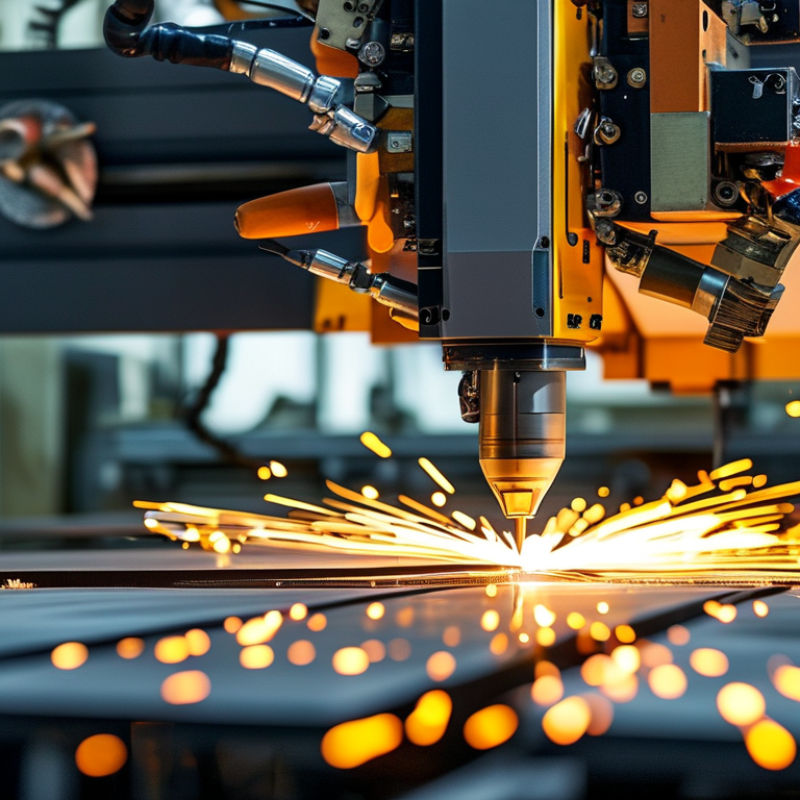
CNC laser cutting is a cutting-edge technology reshaping manufacturing. This method uses focused laser beams to cut and engrave materials with precision. Its versatility is impressive; it can handle metals, plastics, and wood. This makes it suitable for industries ranging from automotive to aerospace.
The process begins with a computer-aided design. Operators input specific measurements that the CNC machine follows meticulously. High accuracy and repeatability are hallmarks. However, the setup requires skilled personnel. Sometimes, misalignment or programming errors occur. Such issues highlight the need for continuous training and improvement in operational protocols.
Despite its benefits, CNC laser cutting isn't without challenges. Material thickness can affect results, leading to slow production times if not managed well. Additionally, the initial investment in technology can be considerable. It's vital for manufacturers to weigh costs against potential productivity gains. Fidelity and reliability matter, particularly when meeting client expectations.
Key Advantages of Using a CNC Laser Cutter in Manufacturing
CNC laser cutters have transformed manufacturing processes. Their precision and speed offer manufacturers significant advantages. According to a report by the International Federation of Robotics, CNC laser machines can improve productivity by up to 30%. This efficiency is vital in a world that demands quick turnarounds.
A CNC laser cutter can create intricate designs without sacrificing quality. It can cut through materials like metal, wood, and plastic with high accuracy. This versatility is crucial. A study by the National Institute of Standards and Technology revealed that laser cutting reduces material waste by 15% on average. Less waste means cost savings for manufacturers.
Despite their advantages, CNC laser cutters require skilled operators. Misalignment or operator error can lead to wasted materials and time. Continuous training is essential to maintain efficiency. Moreover, the initial investment can be high. It requires careful budgeting and consideration. Therefore, weighing the long-term benefits against these challenges is essential for businesses. By doing so, manufacturers can harness the true potential of CNC laser cutting technology.
Key Advantages of Using a CNC Laser Cutter
Versatility of CNC Laser Cutters for Various Materials
CNC laser cutters are incredibly versatile tools for various manufacturing needs. They can handle a wide range of materials, from metals to plastics. This flexibility allows manufacturers to produce intricate designs and precise cuts. Whether working with wood, acrylic, or stainless steel, CNC laser cutters adapt easily to different material types.
The precision of CNC laser cutting is noteworthy. It produces clean edges and minimizes waste, which is crucial for cost-effective production. However, being precise requires experience. Operators must understand nuances in speed, power, and focus. The learning curve can be steep, but the rewards are significant. Mistakes can happen if settings are miscalibrated, resulting in less than optimal cuts.
Different materials behave uniquely when laser cut. For example, plastics can melt or warp if not handled correctly. Metals may require specific power settings to ensure a clean finish. Understanding these material properties is essential. Operators need to experiment and refine techniques continually. This ongoing process helps in achieving better results and enhancing skills.
Cost-Effectiveness and Efficiency in Production Processes
CNC laser cutters have revolutionized manufacturing processes. They offer impressive cost-effectiveness and efficiency. According to a report by the International Federation of Robotics, laser technology can reduce production costs by up to 30%. This is significant for companies aiming for profitability. When used correctly, laser cutters can minimize waste. Their precision means less material is lost.
Many manufacturers mistakenly overlook maintenance. Regular checks can prevent downtime and prolong equipment life. A study from Manufacturing Global shows that well-maintained machines can yield an increase in production efficiency by 20%, resulting in better overall productivity.
Investing in CNC laser cutters means more than just machinery. It requires understanding operational needs. Proper training for staff can enhance performance. Many companies fail to address this area. It's important to invest time in employee skill development. Well-educated workers can make the most of laser technology, driving successful outcomes. This approach can noticeably improve overall efficiency in your production processes.
Why Choose a CNC Laser Cutter for Your Manufacturing Needs? - Cost-Effectiveness and Efficiency in Production Processes
| Dimension |
CNC Laser Cutter |
Traditional Cutting Method |
| Initial Investment |
Moderate |
Low |
| Operating Cost |
Low |
High |
| Material Versatility |
High |
Moderate |
| Precision Level |
Very High |
Moderate |
| Production Speed |
Fast |
Slower |
| Ease of Use |
User-Friendly |
Requires Skilled Labor |
Comparative Analysis: CNC Laser Cutters vs. Traditional Cutting Methods
CNC laser cutters have revolutionized manufacturing. They provide precision and efficiency that traditional methods struggle to match. Traditional cutting methods, like saws or stamping, can introduce errors. They often create additional waste, leading to higher material costs. In contrast, laser cutters minimize material waste. They use focused light to cut, ensuring clean edges without the mess.
When choosing between methods, consider precision. CNC laser cutters typically achieve tolerances of ±0.005 inches. This accuracy reduces the need for rework. Traditional methods often require post-processing, costing time and resources. Additionally, laser cutters can handle various materials, from metals to plastics. The versatility is a significant advantage for evolving manufacturing needs.
Tip: Always assess your production volume. Laser cutters are more beneficial in high-volume settings. They can operate continuously with minimal downtime.
Another key point is the learning curve. Training staff on CNC machinery can be more complex than traditional methods. Certain skills may become outdated quickly. It’s essential to create a plan for ongoing education in laser technology.
Tip: Regular maintenance on CNC laser cutters prolongs their lifespan.
Investing in a CNC laser cutter can be daunting. Understand the initial costs and potential ROI. Balancing cost against precision and efficiency is crucial in decision-making.