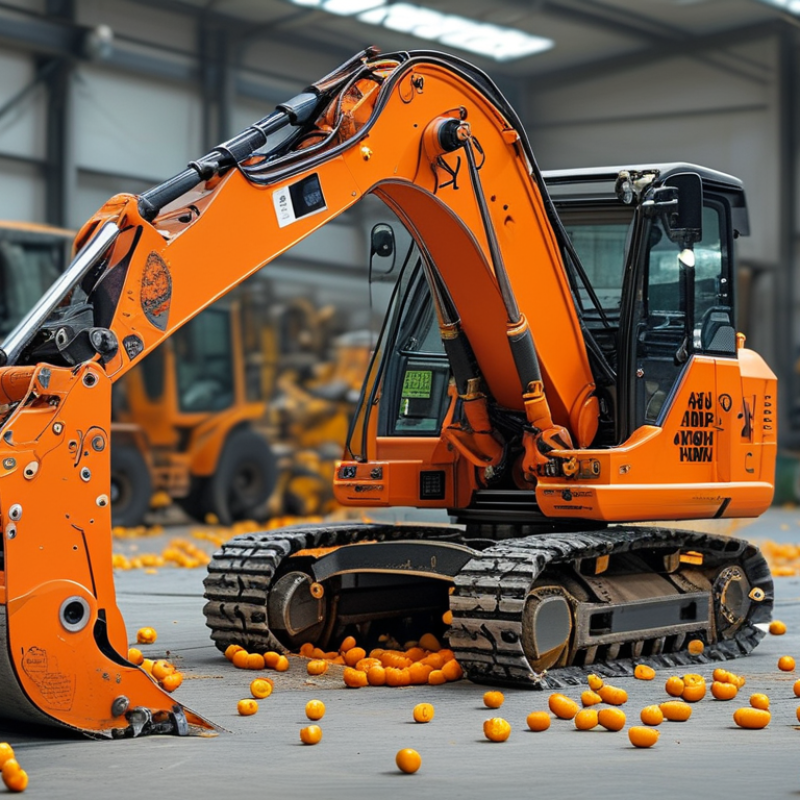
How to Choose the Best Electric Hydraulic Orange Peel Grab?
Choosing the best Electric Hydraulic Orange Peel Grab can be challenging. This equipment is crucial for lifting and handling bulk materials. Many factors come into play when selecting the right model. The grab's design, capacity, and compatibility with your existing machinery are vital considerations.
It's essential to understand the specific needs of your operations. A higher capacity grab may seem appealing, but it could lead to inefficiencies if not suited for your tasks. Industry expertise can help you navigate these choices. Engaging with experienced professionals can provide insights into durable models that suit your work environment.
Investing time in research is beneficial. Consider reviews and user experiences with various Electric Hydraulic Orange Peel Grabs. Not all products will meet your project's demands. Reflect on your unique circumstances to find the best fit.
Understanding Electric Hydraulic Orange Peel Grabs and Their Uses
Electric hydraulic orange peel grabs are specialized tools widely used in material handling. They are particularly effective for lifting and transporting bulk materials like scrap metal and debris. Understanding how these grabs work is essential for optimizing their use in various industrial settings. Their design includes multiple claws that open and close, allowing for a reliable grip on uneven surfaces.
When selecting an electric hydraulic orange peel grab, consider the size and weight of the materials you will handle. The grab's capacity should match your specific needs. Pay attention to the hydraulic system's efficiency, as this impacts overall performance. Oversized grabs may lead to reduced control and poor handling, while undersized ones can strain the equipment. It's crucial to balance capacity with maneuverability.
Operation and maintenance are critical factors. Users often overlook regular checks on hydraulic fluid levels and wear of the jaws. Neglect can lead to performance issues or even accidents. Training operators to understand the machine's limits is vital. Even experienced users must remain vigilant. Misunderstanding the equipment's capabilities can result in costly mistakes.
Key Features to Consider When Choosing an Electric Hydraulic Grab
When selecting an electric hydraulic orange peel grab, consider key features that affect performance. The grabbing capacity is essential. Assess how much weight the grab can handle. It should match your operational needs. A grab that is too light may not perform well, while one that is excessively heavy could cause operational inefficiencies.
Hydraulic power also plays a critical role. Check the power specifications to ensure that the grab can operate smoothly. A well-designed hydraulic system contributes to better precision and control. Look at the operating speed as well. This can impact your workflow significantly. Faster operation can enhance productivity, but balance speed with safety.
Tips: Always review user feedback for insights. Real-world experiences can reveal issues that specifications may overlook. Gauge your specific application requirements before deciding. A grab that works well in one scenario might not suit another. Understand the environment in which the grab will operate.
Examine the construction materials used in the grab. Durability is paramount, especially for tough working conditions. Corrosion-resistant materials can prolong the equipment's lifespan. Maintenance should also be straightforward, as complex mechanisms may lead to downtime. Consider all these aspects to find a reliable electric hydraulic grab.
Comparing Different Brands and Models of Orange Peel Grabs
When selecting an electric hydraulic orange peel grab, several factors should be taken into account. Various brands and models exist, each offering unique features. Some have enhanced lifting capacity, while others focus on speed or durability. Understanding the specific needs for your projects can significantly influence your decision.
It's essential to compare the designs of different grabs. Some are more suited for heavy-duty tasks, while lighter models are ideal for smaller operations. Operators often report that ease of attachment is a crucial factor. A design that allows quick swapping can save a lot of time on the job site. Pay attention to the materials used in construction as well. Some grabs may wear out faster, raising questions about longevity.
Reading reviews and seeking advice from experienced operators can shed light on performance differences. However, it’s important to acknowledge varying opinions. One operator may prefer a model for its efficiency, while another might criticize the same model for its weight. Personal experiences can differ widely, leading to varied outcomes. This highlights the need for thorough research and consideration of all opinions before making a purchase.
Assessing Load Capacity and Performance Specifications
When selecting an electric hydraulic orange peel grab, understanding load capacity is essential. Each model typically has specified weight limits. Industry standards show that effective grabs can lift between 1 to 12 tons. However, this capacity varies based on design and material. Analyzing the grab’s rated load should be your starting point. It's crucial to match this with your specific requirements.
Performance specifications greatly influence how well these grabs operate. Look for details like cycle time, which determines how quickly a grab can open and close. Some reports state that optimal cycle times can lead to productivity increases of up to 25%. The gripping force also matters. A robust grab can exert pressure over various materials, ensuring secure handling. It's important to assess how these technical features align with your operational goals.
Never overlook the importance of reliability in performance under real-world conditions. Testing in varied environments highlights potential weaknesses or limitations. Remember that high standards in manufacturing can mitigate risks. Regular maintenance is equally vital to ensure continued efficiency and safety over time. These aspects call for ongoing reflection to adapt to evolving operational demands.
Load Capacity and Performance Specifications of Electric Hydraulic Orange Peel Grabs
Maintenance Tips for Prolonging the Life of Your Hydraulic Grab
To ensure the longevity of your electric hydraulic orange peel grab, regular maintenance is crucial. A well-maintained grab can enhance productivity and reduce the risk of costly repairs. One essential tip is to check the hydraulic fluid levels frequently. If the fluid is low, it can lead to inefficient operation and damage to the hydraulic system.
Another important aspect is inspecting the grab for wear and tear. Look for any cracks or signs of damage. Pay attention to the hydraulic hoses; they can wear out over time. If you notice any leaks or abrasions, replace the hoses immediately. This simple check can prevent bigger problems down the line.
Incorporate a thorough cleaning routine. Debris can accumulate on the grab, hindering its performance. Regularly removing dirt and corrosion will keep it functioning optimally. While these maintenance tasks may seem trivial, neglecting them can result in unforeseen failures. Taking the time to care for your equipment is an investment in its future.
How to Choose the Best Electric Hydraulic Orange Peel Grab? - Maintenance Tips for Prolonging the Life of Your Hydraulic Grab
| Feature | Description | Maintenance Tip |
| Load Capacity | Indicates the maximum weight the grab can handle efficiently. | Regularly check load ratings and avoid exceeding to prevent damage. |
| Hydraulic System | Critical for smooth operation; includes pump, cylinder, and fluid. | Inspect hydraulic fluid levels and maintain regular changes to ensure efficiency. |
| Durability | Material and construction quality determine longevity under challenging conditions. | Store indoors and shield from weather extremes to prolong life. |
| Control System | Enables precise operation and maneuverability of the grab. | Regularly test controls and inspect wiring for any wear or damage. |
| Weight | Affects the overall handling and balance of the equipment. | Monitor performance; consider weight distribution during use. |