How to Choose the Best Industrial Automatic Transfer Switch?
When selecting an Industrial Automatic Transfer Switch (ATS), several key factors must be considered. This crucial component ensures uninterrupted power supply by seamlessly transferring electrical loads between sources. Understanding the intricacies of these switches can seem overwhelming. However, the right choice significantly impacts operational reliability and efficiency.
An effective ATS needs to match the specific requirements of your facility. Evaluate power ratings, switching capacities, and features like remote monitoring and control. These details influence functionality and responsiveness during power outages. Failure to account for these aspects may result in inadequate performance, leading to costly downtimes.
Moreover, it’s essential to consider the manufacturer’s reputation and certifications. A trusted brand usually signals quality and support. In conclusion, choosing the best Industrial Automatic Transfer Switch demands careful thought and thorough research. A judicious choice can enhance safety and operational resilience.
Understanding the Basics of Industrial Automatic Transfer Switches
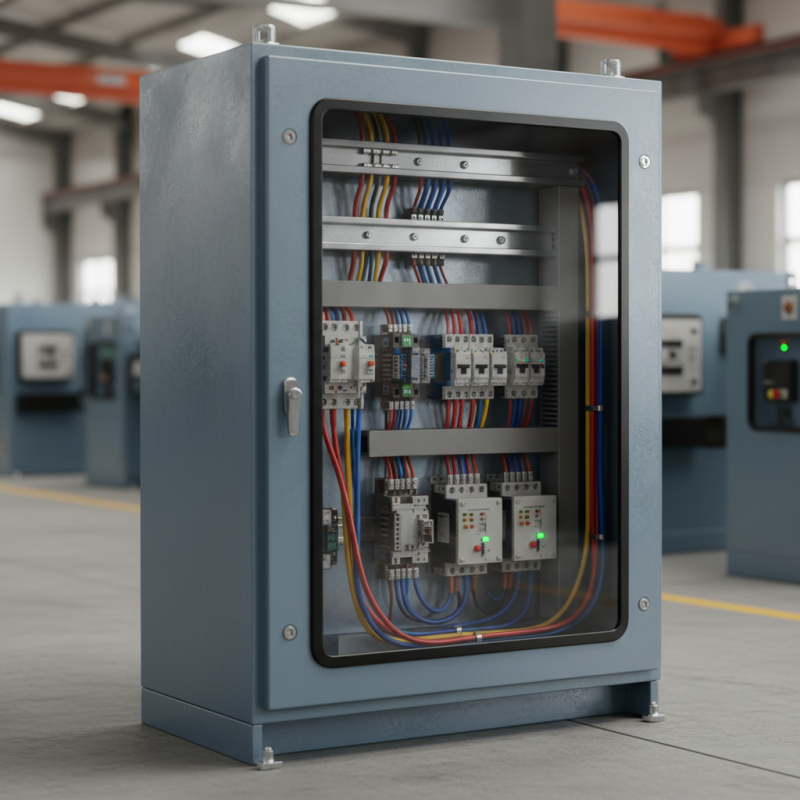
Industrial Automatic Transfer Switches (ATS) play a vital role in maintaining reliable power supply in various settings. These devices automatically switch to a backup power source during an outage. Understanding their operation is crucial for any facility. By gaining insights into their basics, businesses can make informed decisions.
An industrial ATS typically connects to both primary and secondary power sources. When the main supply fails, the ATS senses the interruption and engages the backup generator. This process often occurs within seconds, maintaining power continuity. The need for speed is critical, as downtime can lead to significant losses. Choosing the right ATS means evaluating the load it must support and the environment it operates in.
While some features may seem appealing, not all are necessary. For example, advanced monitoring options require expertise to interpret correctly. Misunderstanding these features can lead to improper usage. It’s essential to evaluate not just the specifications but also the level of training your team needs. Not every facility has the same requirements, making a tailored approach vital for effective power management.
Key Factors to Consider When Selecting an Automatic Transfer Switch
Selecting the right industrial automatic transfer switch (ATS) is crucial for uninterrupted power supply. It's essential to consider several key factors during this process.
The switch's rating should match your power requirements. Pay attention to the operating voltage and current ratings. Evaluate load requirements carefully. This ensures that your ATS can handle the necessary power without failure. Remember, underestimating power needs can lead to costly downtime.
Reliability plays a vital role. Look for products that offer solid performance in critical applications. Failure rates should be minimal. A trusted ATS features advanced diagnostics and alerts. This allows for preemptive maintenance, reducing long-term issues.
**Tip:** Review installation needs. Some models are easier to install than others. This can save time and costs.
Another feature to consider is the type of transfer mechanism. A faster switching process reduces power disruptions. Manual versus automatic transfer options can also impact your choice. Choose what suits your operational needs best.
**Tip:** Consult with industry experts to gather insights. Their experience can guide you toward making a wise choice.
Key Factors in Choosing an Industrial Automatic Transfer Switch
This chart demonstrates the importance of various factors when selecting an automatic transfer switch (ATS) for industrial applications. The factors considered include Reliability, Switching Speed, Ease of Maintenance, Cost, and User Interface. Each factor is rated on a scale of 1 to 10, reflecting its significance in the decision-making process.
Evaluating Power Ratings and Specifications for Your Needs
Selecting an industrial automatic transfer switch (ATS) requires careful consideration of power ratings and specifications. Understanding the load requirements is critical. For instance, if your facility needs 100 kW, it’s essential to choose a switch that can handle not just this load, but a little more to accommodate surges. An ATS typically should be rated at least 10-20% above the expected load to ensure reliability and longevity. Reports indicate that overloading an ATS can reduce its lifespan significantly, leading to costly replacements.
Another key aspect is the transfer switch's voltage rating. For most industrial applications, a standard voltage of 480V is common, but some facilities may require customized solutions. Data shows that mismatched voltage ratings can lead to equipment failure or safety hazards. It's crucial to clarify your specific requirements with an expert, especially in complex operational environments where every detail counts. Anticipating future expansion of power needs can guide the choice of an ATS, ensuring you’re not left under-equipped.
While researching specifications, ensure you evaluate the control mechanisms as well. ATS can be manual, automatic, or programmable, each serving different operational needs. Industry insights suggest that automated systems generally provide greater reliability, but they might also require more sophisticated maintenance. Evaluating the total cost of ownership, including maintenance and potential downtimes, can dramatically affect long-term efficiency and budgeting.
Analyzing Different Types of Transfer Switches and Their Applications
When analyzing different types of industrial automatic transfer switches (ATS), it’s essential to understand their specific applications. There are primarily two types: open transition and closed transition switches. Open transition switches are often simpler and more cost-effective, offering quick changeover between power sources. However, they can result in brief power interruptions that some critical applications cannot tolerate. In contrast, closed transition switches provide a seamless transfer, making them suitable for sensitive environments, such as hospitals and data centers.
Data from the International Electrotechnical Commission indicates that around 80% of industries prioritize power reliability. A misplaced choice can result in costly downtime. For instance, in manufacturing plants, where production lines rely heavily on continuous power, a transfer switch that ensures immediate power backup is vital. It’s also crucial to consider the loads of each application. An undersized switch can lead to failures, while an oversized switch may lead to increased operational costs.
Manufacturers must also assess the switch’s environmental ratings, as some environments may affect performance. In regions with high humidity or temperature fluctuations, equipment longevity could be compromised. Reflecting on these factors will guide better decisions, ensuring that the selected transfer switch meets not just immediate needs but future expansions as well.
Assessing Safety Features and Compliance Standards for Reliability
When selecting an industrial automatic transfer switch (ATS), safety features and compliance standards are critical. Industry data reveals that improper ATS choices lead to up to 30% of power failures in facilities. These failures often stem from inadequate safety measures or non-compliance with industry standards. Without robust safety features, electrical equipment risks damage, leading to costly downtime.
Compliance with national and international standards, such as the National Electrical Code (NEC) and the International Electrotechnical Commission (IEC) regulations, is essential. These standards outline necessary safety criteria, protecting both equipment and personnel. A study by the Electric Power Research Institute (EPRI) found that facilities adhering to compliance standards experienced 40% fewer incidents compared to those that did not.
Consider insulation resistance testing and overcurrent protection. These elements enhance reliability but are often overlooked. A lack of proper grounding can pose significant risks, leading to equipment failures. Regular reviews and updates to safety protocols are also needed. Many organizations mistakenly assume that initial compliance suffices. Continuous evaluation ensures ongoing protection and reliability in power management systems.
How to Choose the Best Industrial Automatic Transfer Switch? - Assessing Safety Features and Compliance Standards for Reliability
| Feature | Description | Compliance Standard | Safety Rating |
| Surge Protection | Prevents damage from voltage spikes. | UL 1008 | Class A |
| Overcurrent Protection | Cuts off power during overload conditions. | NFPA 70 | Class B |
| Automatic Retransfer | Returns to utility supply after restoration. | IEC 60947-6-1 | Class C |
| Fault Indicator | Displays fault conditions visually. | ISO 9001 | Class A |
| Environmental Protection | Resistant to dust and moisture. | NEMA 3R | Class B |