How to Choose the Right LPG Storage Tank for Your Needs?
Selecting the right LPG Storage Tank is crucial for many businesses. According to John Smith, a renowned expert in the LPG industry, "Choosing the right tank can save you money and enhance safety." His insights remind us that this step shouldn't be taken lightly.
LPG Storage Tanks come in various sizes and types. The choice often depends on your specific needs. You must assess your storage capacity, location, and safety regulations. An improperly chosen tank can lead to financial strain. Consider the dimensions carefully. The space should accommodate your tank without compromising safety.
Beyond size, the material of the tank matters. Tanks are typically made from steel or composite materials. Each has advantages and downsides. Reflect on the environment where your tank will be installed. Corrosion can be a concern in specific settings. This is where thoughts on durability and longevity arise. Investing time in this decision will pay off.
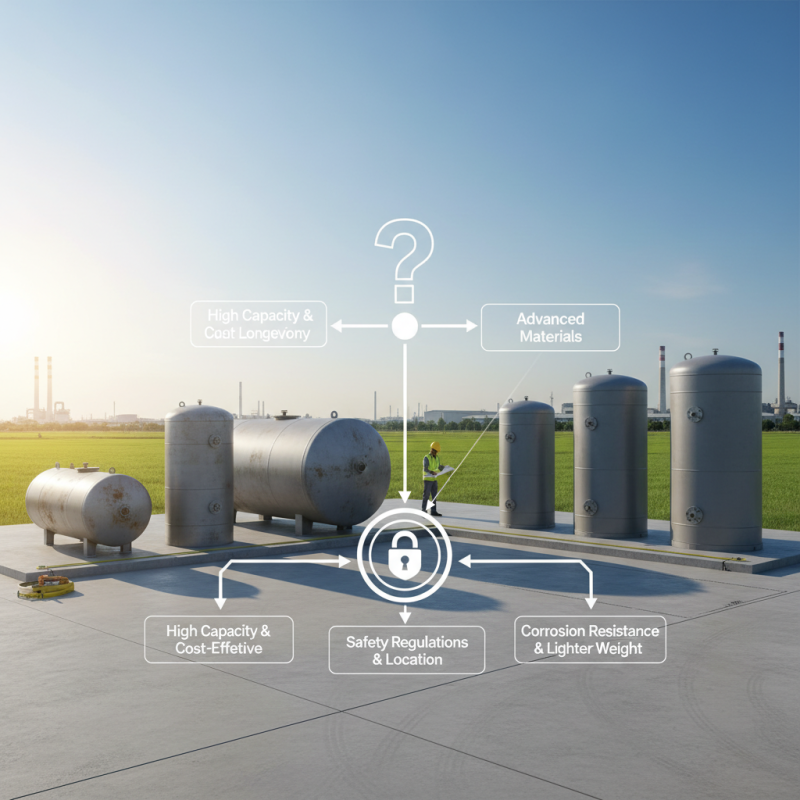
Understanding the Different Types of LPG Storage Tanks Available
When choosing an LPG storage tank, understanding the types available is crucial. There are several options: above-ground tanks, underground tanks, and portable tanks. Above-ground tanks are easy to install and maintain. However, they take up yard space and may be more visible. Underground tanks save space and offer protection from weather, but installation can be challenging.
When considering a tank, think about size and capacity. The right tank should meet your usage needs without excessive empty space. Always consider your property's layout and local regulations before purchasing.
Tips: Check for safety features like pressure relief valves. Ensure the tank material is durable and rust-resistant. Regular maintenance is key to extending the life of your tank. Be realistic about your needs. A larger tank may seem like a good idea, but it can lead to unnecessary costs. Think carefully before deciding.
How to Choose the Right LPG Storage Tank for Your Needs?
This bar chart illustrates the different types of LPG storage tanks and their typical capacities in liters. When selecting an LPG storage tank, consider your usage requirements and the available space for installation.
Factors to Consider When Sizing Your LPG Storage Tank
When sizing your LPG storage tank, several factors come into play. The tank capacity must align with your consumption needs. According to the Energy Institute, average residential consumption can range from 500 to 1,200 gallons per year. Understanding your monthly usage patterns is crucial. You might want to analyze seasonal peaks. During winter, for instance, usage can surge up to 40%.
Another important factor is the available space. The tank must fit comfortably within your property’s layout. Safety regulations often dictate minimum distances from buildings or property lines, which can complicate placement. A poorly positioned tank can lead to accessibility issues. Maintaining proper distance is vital for safety and operational efficiency.
Additionally, consider environmental conditions. Tanks located in extreme climates may require special features. For instance, extreme heat can increase pressure inside the tank. Up to 10% of tanks experience structural issues due to thermal expansion in such conditions. It's essential to assess local climate patterns before committing to a tank size. Evaluating these aspects can prevent costly adjustments down the line.
Evaluating the Safety Features of LPG Storage Tanks
When selecting an LPG storage tank, safety features are crucial. Tanks should have inner and outer layers. This construction prevents leaks and minimizes risks. Regular testing for pressure and integrity is essential. Visual inspections can miss important details. Using advanced sensors can help detect leaks early.
Another critical consideration is the tank’s location. It should be placed away from ignition sources. Proper ventilation is also important. A well-ventilated area reduces the risk of gas accumulation. Local regulations often dictate placement guidelines. Ignoring these can lead to dangerous situations.
Consider the tank's valve and connection quality. High-quality valves reduce the chance of leaks. They should be easy to operate, even in emergencies. Installations can often be rushed, leading to mistakes. Proper installation is just as important as the tank itself. Your safety depends on it.
Assessing the Regulatory Requirements for LPG Storage
When selecting an LPG storage tank, understanding regulatory requirements is crucial. Different regions have specific guidelines about tank placement, design, and maintenance. For example, your tank must be compliant with local fire codes. Failing to follow these can lead to dangerous situations.
Permits often accompany the installation process. Not obtaining these can result in costly fines or shutdowns. Sometimes, even minor violations can complicate matters. Each state or country may have additional rules about the proximity of tanks to buildings and other structures.
It's essential to conduct a thorough risk assessment before installation. This process helps identify potential hazards. Review any historical data of incidents in your area. Being aware of past mistakes can guide your decision-making. Understanding these regulations is not just about compliance. It’s about ensuring safety for everyone involved.
How to Choose the Right LPG Storage Tank for Your Needs? - Assessing the Regulatory Requirements for LPG Storage
| Tank Type | Capacity (Liters) | Material | Installation Location | Regulatory Compliance |
| Above Ground Tank | 1000 | Steel | Residential | NFPA 58 Compliance |
| Underground Tank | 2500 | Fiberglass | Commercial | EPA Standards |
| Transportable Tank | 500 | Aluminum | Industrial | DOT Regulations |
| Mini Tank | 200 | Steel | Residential | Local Fire Codes |
| High-Pressure Tank | 1000 | Carbon Steel | Specialty Facilities | ASME Standards |
Maintenance and Inspection Best Practices for LPG Tanks
When it comes to LPG tanks, regular maintenance is crucial. Inspection helps you identify leaks or corrosion early. You should check valves, connections, and the tank surface regularly. Make it part of your routine.
Tips: Schedule inspections at least once a year. Use a checklist to ensure nothing is missed. Keep an eye out for rust or any unusual odors. If something feels off, don't ignore it.
Cleaning is another important aspect. A clean tank is less likely to develop issues. Remove any debris around the tank regularly. Pay attention to the area around valves and vents. These spots can accumulate dirt and cause problems.
Tips: Use a gentle cleaning solution. Avoid abrasive materials. After cleaning, inspect the tank for any signs of wear or damage. It’s better to be proactive than reactive.