How to Choose the Best Fiber Laser for Your Business Needs?
Choosing the right Fiber Laser can significantly impact your business operations. With many options available, making the right choice is essential. Fiber Lasers stand out due to their efficiency, precision, and versatility. However, the selection process can be overwhelming.
Understanding your specific business needs is crucial. Are you focusing on metal cutting or engraving? Each application requires different features. High-speed performance may be vital for those who prioritize productivity. Others may prioritize cutting quality or system compatibility.
Evaluating your resources is equally important. Fiber Lasers come at various price points. Sometimes, more expensive models offer better longevity and lower maintenance costs. However, it’s essential to balance budget and functionality. In this process, relying on expert advice or industry reviews could help clarify uncertainties. Ultimately, the best choice should align with your business goals and projected growth.
Understanding Fiber Laser Technology and Its Applications
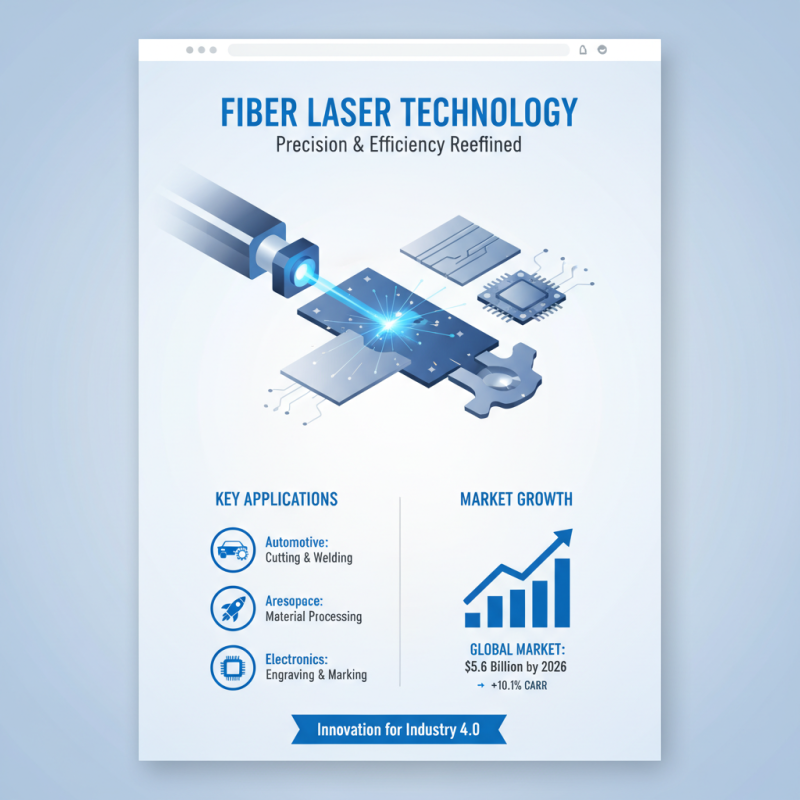
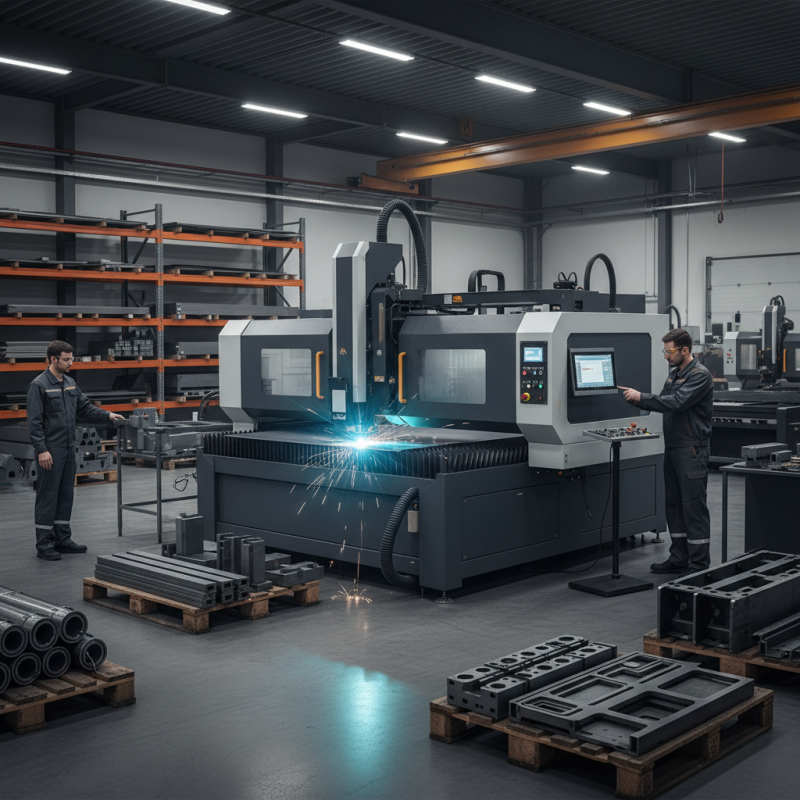
Fiber laser technology has revolutionized various industries by offering precision and efficiency. In manufacturing, fiber lasers are known for their ability to cut and engrave a diverse range of materials. Reports indicate that the global fiber laser market is expected to reach $5.6 billion by 2026, growing at a compound annual growth rate (CAGR) of 10.1%. This growth reflects the increasing adoption of fiber lasers in applications such as automotive, aerospace, and electronics.
The versatility of fiber lasers is noteworthy. They are utilized for cutting metal sheets, welding components, and even marking products. Their efficiency is underscored by the ability to maintain quality at higher speeds. However, selecting the right fiber laser requires understanding specific business applications. Not all lasers are created equal, and mismatches can lead to inefficiencies. Some businesses may opt for cheaper options initially, only to find they incur higher operational costs later due to inadequate performance.
While fiber lasers offer numerous advantages, there are challenges too. For example, the maintenance requirements can be demanding. Operators must have adequate training to handle complexities in technology. Not addressing these needs may cause downtime, ultimately affecting productivity. Understanding the technology's intricacies is vital for maximizing returns on investment. Proper evaluation of business needs will lead to better decision-making in the long run.
Identifying Your Business Requirements for Laser Cutting
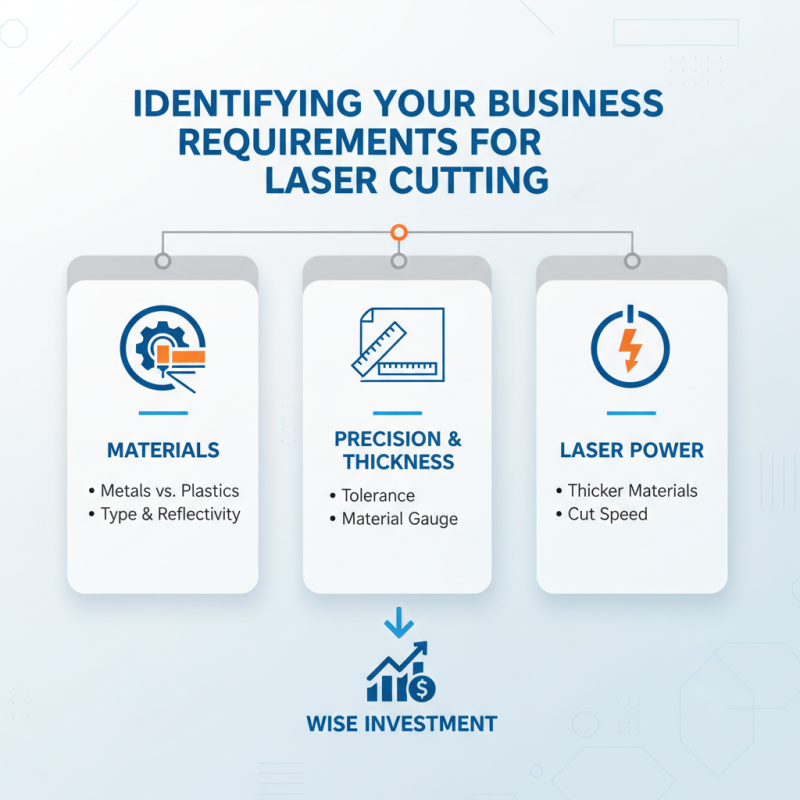
When choosing a fiber laser for your business, understanding your specific needs is crucial. Start by evaluating the materials you typically work with. Different lasers excel with various materials, such as metals or plastics. If your focus is on precision cutting, consider the thickness of the materials. Thicker materials require more powerful lasers. This initial assessment guides your selection process, ensuring you invest wisely.
Next, think about your production volume. If you have high demand, a faster machine might be essential. Speed and efficiency often translate into better profitability. However, balancing speed with quality is vital. A quick solution might compromise the finish, leading to increased rework. Also, consider maintenance requirements. Some machines require regular calibration, which can slow down production.
Lastly, don’t overlook the importance of support and training. A reliable source for guidance can enhance your experience significantly. Some businesses may feel overwhelmed by the choices available. Reflecting on your potential challenges can help narrow down your options. Choosing the right fiber laser is about aligning the technology with your business goals.
Evaluating Key Features in Fiber Lasers: Power, Speed, and Precision
When selecting a fiber laser for your business, key features like power, speed, and precision are crucial. Power determines the laser's capability to cut or engrave different materials. Higher wattage provides more energy, enabling it to handle tough materials like metals and thick plastics with ease. However, more power also means higher operational costs and energy consumption. Assessing your primary materials will guide you toward the appropriate power level for your specific needs.
Speed is equally important in fiber lasers. Faster processing times can significantly enhance productivity. A laser that operates quickly will reduce the time spent on each job, allowing for more work to be completed in a day. However, speed must be balanced with precision. A high-speed laser might sacrifice detail, resulting in rough edges or imprecise cuts. Testing various machines with your materials helps pinpoint the right balance.
Precision is the defining factor for intricate designs. It impacts the quality and appearance of the final product. While a precise laser will increase operational efficiency, it may come with a learning curve. Users need experience to harness its full potential. Consider this as part of your investment: the time and training required to achieve desired results with a high-precision laser. Addressing these key features thoroughly can lead to better business decisions and outcomes.
How to Choose the Best Fiber Laser for Your Business Needs?
| Feature |
Description |
Typical Range |
Considerations |
| Power |
The output power of the laser, which affects cutting capability. |
100W - 10000W |
Higher power for thicker materials, but may increase cost. |
| Speed |
The rate of material processing, which affects productivity. |
1 m/min - 30 m/min |
Faster speeds improve efficiency but may affect quality. |
| Precision |
The accuracy of cuts and engraving, critical for intricate designs. |
±0.01 mm - ±0.1 mm |
High precision is necessary for detailed applications. |
| Cooling System |
Type of cooling used to prevent overheating during operation. |
Air-Cooled or Water-Cooled |
Consider the environment and operating conditions for cooling. |
| Software Compatibility |
Software used for design and operation management. |
Compatible with widely-used design software |
Ensure software fits with existing design workflows. |
Comparing Different Brands and Models of Fiber Lasers
When selecting a fiber laser for your business, consider various brands and models. Each option has unique specifications that can affect your production needs. Look for features like wavelength, power output, and cooling method. These can influence the laser's performance and its ability to cut or engrave different materials.
Research is essential. Dive into user reviews and compare specifications across leading manufacturers. Some lasers excel in speed while others shine in precision. Evaluate your primary applications, such as metal or plastic processing, to match the laser's capabilities with your goals. It’s important to weigh the benefits against costs.
Don’t overlook after-sales support. Reliable customer service can help resolve issues and enhance your overall experience. Also, think about maintenance requirements. Some models need more frequent servicing, which can strain your budget. Reflect on these factors to make an informed decision that suits your business’s specific demands.
Assessing Total Cost of Ownership and Budget Considerations
When evaluating the total cost of ownership (TCO) for fiber lasers, it’s crucial to consider several factors beyond the initial purchase price. Reports indicate that the energy consumption of fiber lasers can significantly impact operational costs. According to industry data, fiber lasers can be up to 70% more efficient than traditional laser technologies. This efficiency translates to lower electricity bills and reduced environmental impact.
Maintenance is another key component of TCO. Fiber lasers typically have fewer moving parts compared to CO2 lasers, leading to lower maintenance expenses. However, the price of consumables, like optics and lenses, should be factored into your budget. Some businesses overlook the hidden costs associated with parts that may require replacement more frequently than anticipated.
Budget considerations also extend to training and integration. A smooth transition can incur additional costs. The investment in operator training is essential for optimizing laser use, enhancing productivity, and minimizing errors. Skimping on training might create inefficiencies that negate any savings achieved through energy efficiency. Each of these factors contributes to the overall financial commitment of adopting a fiber laser system while emphasizing the importance of thorough research and planning.