2026 How to Choose the Best Plasma Cutting Machine for Your Needs?
Choosing the right Plasma Cutting Machine can significantly impact your projects. With many options available, it’s crucial to understand your specific needs. A quality plasma cutter elevates both efficiency and precision in metalwork. However, navigating through the various specifications and features can be overwhelming.
When selecting a Plasma Cutting Machine, consider factors like power output, cutting capacity, and portability. Each project might demand different capabilities. It's essential to reflect on what you've done before and what you hope to achieve in the future. Sometimes, investing in a more advanced machine is worth it.
Don’t rush your decision. Take time to research reputable brands and read customer reviews. The machine you choose should reflect reliability and suit your workspace. Analyze your budget as well. Some machines come with hidden costs, such as maintenance or consumables. Be mindful of these factors when making your choice.
Understanding Plasma Cutting Technology and Its Applications
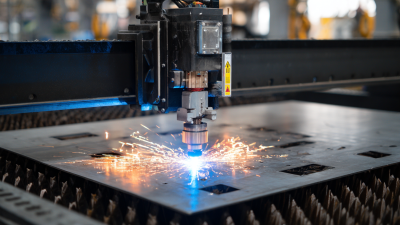
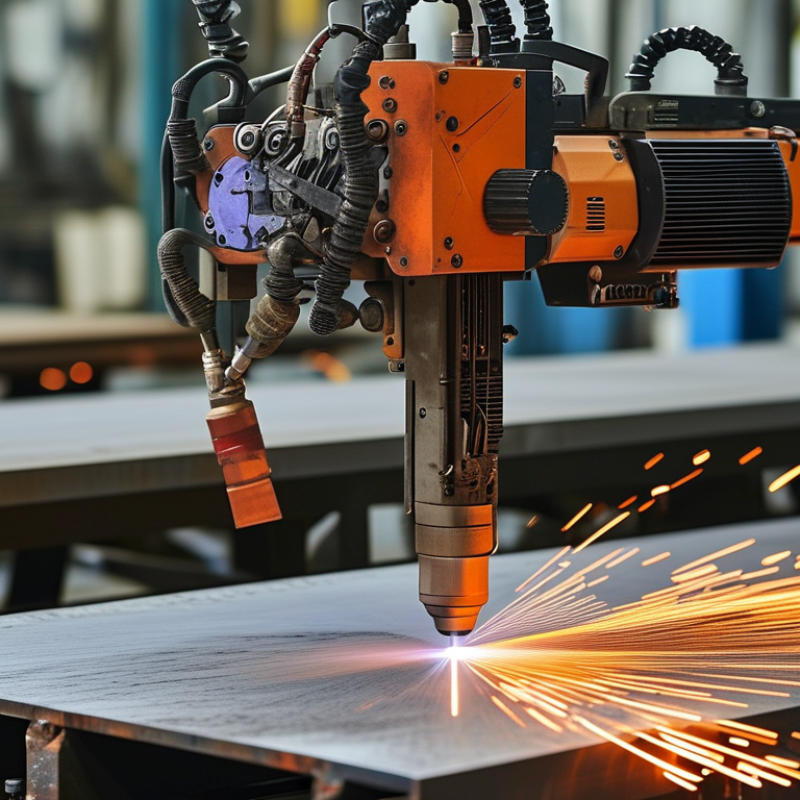
Plasma cutting technology has revolutionized metalworking. It uses electricity and gas to create a high-velocity jet of ionized gas. This jet melts through metals with precision. Various industries, from automotive to aerospace, utilize plasma cutting for its efficiency and speed.
Applications of plasma cutting are vast. It can cut through thick metal plates or thin sheets with minimal distortion. This technology is particularly effective for intricate designs and shapes. However, the process requires practice and experience to master. Understanding the machine settings is crucial for optimal results. Inadequate knowledge can lead to poor cuts or wasted materials.
While plasma cutting offers many benefits, challenges remain. Beginners might struggle with settings or understanding metal types. Over time, operators may develop habits that hinder improvement. Regular practice and continuous learning are essential. This ensures that users remain competitive and produce quality work in their projects. Embracing the learning curve can lead to greater proficiency and satisfaction.
2026 Plasma Cutting Machine Features Comparison
This chart illustrates a comparison of key features of plasma cutting machines, including power output, cutting thickness, weight, and price. These metrics are crucial for determining the right plasma cutter for your specific needs.
Key Factors to Consider When Selecting a Plasma Cutting Machine
When choosing a plasma cutting machine, several key factors can influence your decision. One primary consideration is the thickness of the material you plan to cut. Machines have different capabilities, ranging from thin metal sheets to thicker plates. Understanding the maximum thickness helps narrow your options effectively. Another aspect is the power source. plasma cutters can be either air or nitrogen-powered. Each has its advantages, and knowing your primary material will guide your choice.
Portability is also essential if you need to move the machine frequently. Some units are lightweight and easy to transport, while others are more substantial and more suited for a stationary setup. Look for features like built-in handles or wheels to make transportation less cumbersome. The duty cycle is a crucial parameter too. This indicates how long you can operate the machine without overheating. A longer duty cycle is preferable for heavy usage but might come at a higher cost.
Lastly, user-friendliness matters a great deal. A complex interface can hinder efficiency, especially for beginners. The ease of setup and operation can significantly impact productivity. Evaluating customer reviews can also provide insights. However, keep in mind that not every review reflects the machine's true performance. Take the time to research thoroughly before making your choice.
Types of Plasma Cutting Machines and Their Features
When selecting a plasma cutting machine, understanding the various types available is crucial. Generally, plasma cutting machines can be divided into two main categories: air plasma and high-definition plasma. Air plasma machines are often more affordable and are ideal for general work. They're effective for cutting mild steel, aluminum, and stainless steel up to certain thicknesses. According to industry reports, air plasma machines account for 60% of the market due to their ease of use and lower operational costs.
High-definition plasma machines are advanced options, delivering greater precision and speed. They utilize sophisticated technology that offers superior cutting quality with minimal kerf. These machines are suited for industrial applications, capable of cutting materials thicker than 1 inch. Studies indicate that investing in high-definition systems can lead to productivity increases upwards of 30%, justifying their higher initial cost.
When choosing a machine, consider the frequency of use and the materials you'll cut. For occasional tasks, air plasma may suffice. However, frequent and demanding projects could warrant investing in high-definition technology. Maintenance is another factor; intricate designs may require more time and resources. Keeping these aspects in mind will guide you to a better decision in selecting a plasma cutting machine tailored to your specific needs.
Evaluating Performance Metrics: Amperage, Cutting Thickness, and Speed
When selecting a plasma cutting machine, understanding its performance metrics is crucial. Amperage is a key factor influencing cutting efficiency. Typically, machines offer amperage ranges from 20 to 80 amps. Higher amperage allows for cutting through thicker materials. For instance, a device at 50 amps can cut through steel plates up to 1 inch thick effectively, while a 30-amp machine is limited to half that thickness.
Cutting speed is another vital metric. It is measured in inches per minute and varies depending on material and thickness. Reports indicate that cutting speeds can range from 25 inches per minute for thicker materials to 80 inches per minute for thinner sheets. However, higher speeds may compromise cut quality. Users must balance speed with precision for optimal results.
Additionally, cutting thickness is not merely a number; it impacts how clean and precise the cuts are. Many manufacturers recommend that users assess the plasma machine's capabilities against their specific needs. A machine that performs well on lighter materials may fall short on thicker ones, highlighting the need for careful evaluation. Consideration of these factors can be complex, yet understanding them leads to better decision-making in plasma cutting technology.
Budget Considerations and Maintenance for Plasma Cutting Machines
When selecting a plasma cutting machine, budget considerations are crucial. According to industry reports, the average cost of plasma cutting machines ranges from $1,500 to $8,000. This price variation is based on factors such as power output and features. For those working on smaller projects, investing in entry-level machines may suffice, while heavy-duty applications could demand higher-end models.
Maintenance is another critical factor to keep in mind. Regularly checking consumables can save significant costs in the long run. Daily inspections help ensure that the electrode and nozzle are in good condition. Neglecting this can lead to poor cut quality and added expenses. A well-maintained machine can last up to five years longer than one that is not serviced regularly.
Consider these maintenance tips: clean your machine weekly to prevent dust buildup. This enhances performance and prolongs life. Monitor air quality as well; moisture and contaminants can ruin cuts. A simple filter system can ensure cleaner air supply to the torch. Setting aside a budget for annual maintenance can avoid costly repairs and downtime.