How to Choose the Right Shale Shaker Screen for Your Needs?
Choosing the right shale shaker screen is crucial for optimal drilling operations. The effectiveness of shale shaker screens directly impacts the efficiency of solids control. Research indicates that up to 30% of drilling costs can be linked to improper solids management. This underscores the importance of selecting the right screen.
In the drilling industry, metrics matter. Quality shale shaker screens can boost recovery rates and reduce waste. Reports show that screens with higher API ratings often yield better results. These screens can decrease fluid loss and enhance overall performance. However, not all screens are created equal. Factors such as mesh size and material affect performance and longevity.
The variety of options can be overwhelming. Selecting the wrong shale shaker screen can lead to costly inefficiencies. Many companies overlook specific project needs, leading to mistakes. They may choose based on price instead of performance. A deeper understanding of requirements is essential for making informed choices. The right screen can ultimately be a game changer in drilling success.
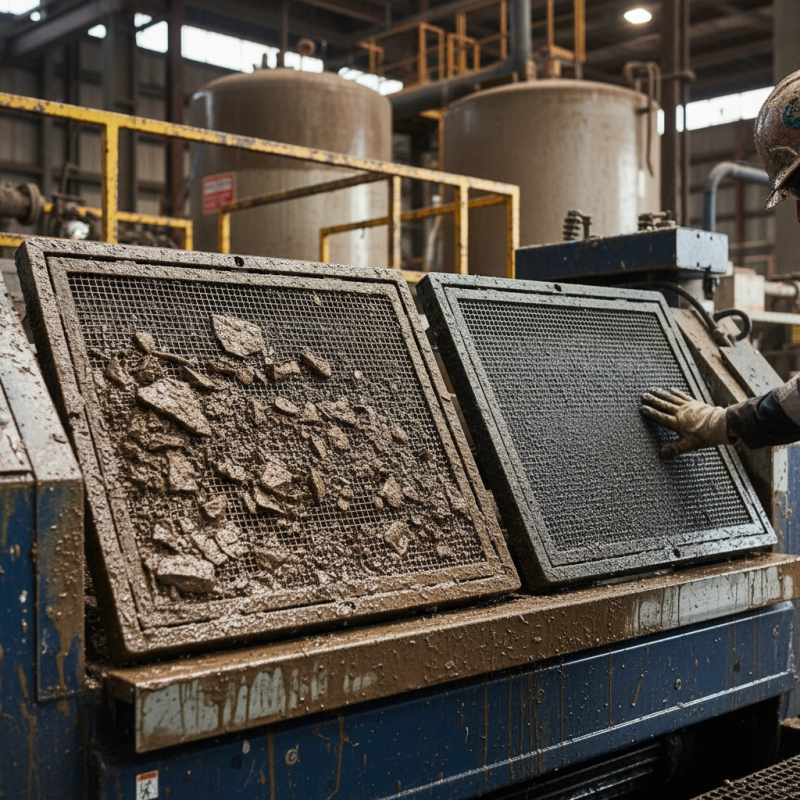
Understanding the Importance of Choosing the Right Shale Shaker Screen
Choosing the right shale shaker screen is crucial for efficient drilling operations. The screen plays a vital role in the separation of solids from the drilling fluid. An unsuitable screen can lead to complications and increased costs. The size, mesh configuration, and material of the screen matter significantly.
A common mistake is overlooking the mesh size. If the mesh is too coarse, unwanted solids may pass through. Conversely, a mesh that is too fine can overly restrict fluid flow. This can hinder the drilling process. It's essential to strike a balance. Different drilling environments may require various configurations, and flexibility is key.
Many overlook the material durability of the screens. High-quality materials resist wear and tear better. However, they may come at a cost. Analyze the trade-offs carefully. Consider the specific conditions of your drilling site. Reflections on past screen performance can provide valuable insights. Each decision can greatly impact overall efficiency and cost-effectiveness.
Key Factors to Consider When Selecting a Shale Shaker Screen
Choosing the right shale shaker screen involves understanding various factors. The mesh size is critical. Screens with finer openings can handle smaller particles, but may reduce flow rates. Screens with larger openings work well for heavier and larger solids. Industry reports indicate that optimal mesh size can increase efficiency by up to 30%.
Material durability is another key factor. Screens made from high-quality steel or composite materials withstand wear and tear better. They also have longer lifespans and lower maintenance costs. Some reports show that using durable screens can reduce overall operating costs by nearly 15%.
Additionally, the screen's compatibility with existing equipment matters. Incompatible screens can lead to inefficiencies and increased downtime. Ensure screens fit snugly within your shaker. Misalignment or poor fit can cause leaks or operational issues. It's worth investing time in evaluating the specifics before making a decision.
Different Types of Shale Shaker Screens and Their Applications
Choosing the right shale shaker screen involves understanding different types and their specific applications. There are several kinds of screens, each crafted for unique drilling needs. For example, woven wire mesh screens are versatile and commonly used. They provide consistent performance in various drilling environments. In contrast, polymer screens are lighter and resistant to wear, making them ideal for high-performance tasks.
When selecting a screen, consider the particle sizes you will be dealing with. Coarse cuttings require more rigid screens, while finer particles need a tighter mesh. It is important to ensure the screen material is compatible with the drilling fluid. Using the wrong type may lead to premature wear or blockages.
Tips: Always review the manufacturer’s specifications for proper fit and functionality. Testing various screen types can help identify the best option for your mix. Consider the environment where you will use the screens. Not all screens perform well in all conditions; some may fail unexpectedly in harsh environments. Addressing these elements can improve overall efficiency.
How to Evaluate Screen Performance and Efficiency
When selecting a shale shaker screen, its performance is paramount. Evaluate the screen’s mesh size based on your specific separation needs. A finer mesh captures smaller particles, while a coarser mesh allows for quicker flow rates. Consider the type of material being filtered. Each type has unique characteristics that impact efficiency. Monitor how the screen handles different viscosities. This can reveal much about its performance.
Efficiency can also be assessed through the screen's durability. Check if the screen maintains its integrity over time. Frequent replacements hinder productivity. Short lifespan screens might seem cost-effective initially but can lead to losses. Ensure you gather data on screen wear and tear. Some screens may perform well initially but degrade quickly under specific conditions. It's crucial to balance efficiency with long-term reliability.
Finally, assess how easily the screen can be cleaned. Clogged screens disrupt flow and require more maintenance. A screen that's hard to clean can slow down operations. Consider user feedback on maintenance ease. Understanding these factors helps in making a more informed decision. It's a complex process, but the right choice can enhance overall performance significantly.
How to Choose the Right Shale Shaker Screen for Your Needs? - How to Evaluate Screen Performance and Efficiency
| Screen Type | Wire Diameter (mm) | Opening Size (µm) | Mesh Count | Efficiency (%) | Recommended Applications |
| API 20 | 0.5 | 850 | 20 | 90 | Standard drilling applications |
| API 30 | 0.4 | 600 | 30 | 85 | Medium to heavy drilling conditions |
| API 40 | 0.3 | 400 | 40 | 80 | Fine drilling and fluid recovery |
| API 50 | 0.25 | 200 | 50 | 75 | Specialized applications with demanding conditions |
| API 60 | 0.2 | 150 | 60 | 70 | Advanced filtration needs |
Maintenance Tips for Extending the Life of Shale Shaker Screens
Maintaining shale shaker screens is crucial for optimal performance. Regular inspections can prevent costly downtime. Look for signs of wear, such as tears or clogged openings. Even minor damage can reduce efficiency. Replace screens promptly to avoid further issues.
Cleaning is another vital step in maintenance. Use water or a gentle detergent to remove debris. Avoid harsh chemicals that could degrade materials. A clean screen ensures that drilling fluids flow freely. Some operators might overlook this routine task. This oversight can lead to premature wear and unexpected failures.
Finally, proper storage extends screen life. Keep screens in a dry, cool place away from sunlight. Stacking them improperly could cause bending or warping. Check for environmental factors like humidity or temperature changes. These details matter more than they seem. Regular attention helps maintain screen integrity and enhances overall drilling performance.