© 2025 Messer Cutting Systems, Inc.

Choosing an Anti-corrosion Traffic Bollard is not simply a matter of selecting the thickest steel or brightest finish. The right choice depends on road salt, rain exposure, impact risk, installation depth, and daily maintenance. A bollard beside a coastal loading bay faces a harsher environment than one inside a dry parking garage. That difference matters.
Dr. Robert G. Kelly, a respected corrosion engineering professor, offers a useful principle: “Corrosion control begins with understanding the environment.” His point is practical. Before comparing products, inspect the site. Look for standing water around the base, damaged coatings, trapped dirt, and contact with dissimilar metals. Small details can decide service life.
A reliable Anti-corrosion Traffic Bollard should combine suitable steel, tested surface protection, visible design, and secure anchoring. Hot-dip galvanizing may suit exposed outdoor areas, while powder coating can add color and another protective layer. Stainless steel may perform well in demanding locations, but its grade and fabrication quality still require careful review.
Details matter most.
This guide will examine coating systems, wall thickness, impact performance, drainage, maintenance access, and supplier documentation. It will also question a common assumption: a higher price does not automatically mean better corrosion resistance. Some specifications look impressive but fail to explain salt-spray testing, coating thickness, or repair procedures. That is where careful judgment becomes essential. A durable bollard is not merely strong on delivery day. It should remain dependable after seasons of rain, abrasion, dirt, and occasional neglect.
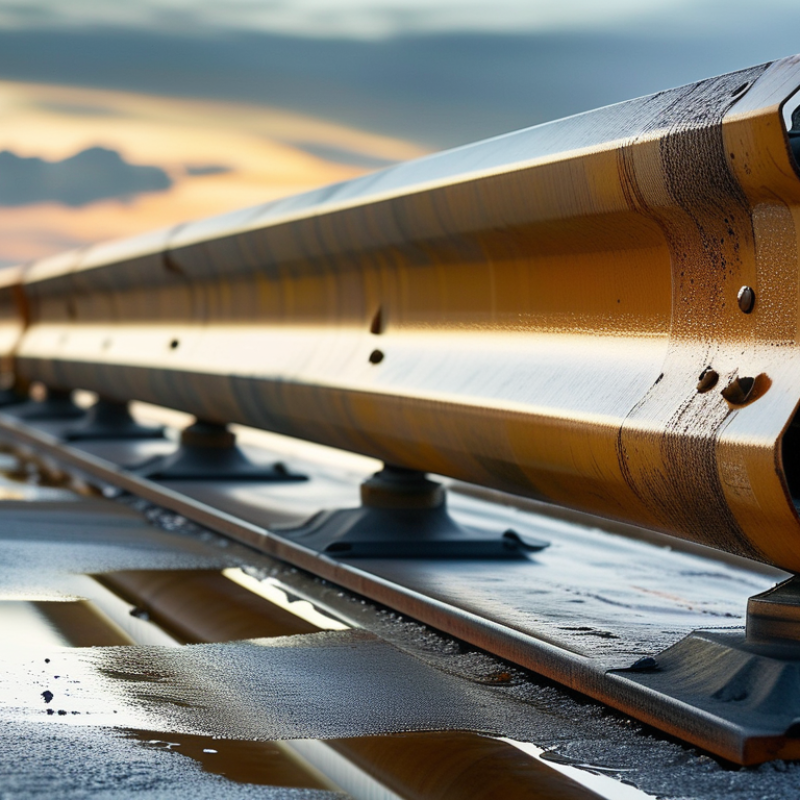
How to Choose an Anti Corrosion Traffic Bollard
Understanding the Role and Types of Anti-Corrosion Traffic Bollards
Anti-corrosion traffic bollards protect pedestrians, buildings, loading zones, and vehicle routes. They also preserve visibility after years of rain, salt, dust, and repeated cleaning. According to NACE International’s IMPACT study, corrosion costs about US$2.5 trillion globally each year, equal to 3.4% of worldwide economic output. The report also estimates that 15–35% of corrosion costs could be reduced through proper prevention and management.
Material choice should match the site. Hot-dip galvanized steel offers practical protection for outdoor roads and industrial yards. Stainless steel suits coastal areas, food facilities, and locations requiring a cleaner appearance. Powder-coated steel adds color and another barrier, but damaged edges may expose the substrate. Duplex systems combine galvanizing and paint, improving resistance in demanding environments. Fixed bollards provide permanent separation, while removable and retractable types support occasional access.
Check more than the coating label. ISO 12944 durability categories describe coating performance periods, not guaranteed service life. Road salt, standing water, impact damage, and poor drainage can shorten those periods sharply. ASTM B117 salt-spray results are useful for comparison, but they do not perfectly reproduce outdoor conditions. That limitation matters. A bollard with strong corrosion resistance may still fail if its foundation, welds, or impact rating is unsuitable. In practice, inspect weld seams, drainage paths, coating thickness, and anchor points before approval. One specification can still be wrong.
Choosing an anti-corrosion traffic bollard starts with the site, not the product catalogue. Record salt exposure, drainage, soil contact, cleaning chemicals, and impact frequency. Coastal air can leave a white salt film on a bollard before rust becomes visible. Road grit makes the damage worse.
The IMPACT study by NACE estimated global corrosion costs at about US$2.5 trillion annually, equal to 3.4% of global GDP. The report also indicated that 15–35% of corrosion costs could be avoided through stronger prevention and control. These figures support a practical inspection habit. Check welds, base plates, drainage holes, fasteners, and coating edges. Small defects often collect water. Poorly drained sleeves can remain wet for days.
Risk levels should guide material and coating choices. ISO 12944 classifies atmospheric environments, while coastal roads, de-icing zones, and industrial areas may require higher protection than sheltered urban sites. A buried foundation needs separate attention because oxygen levels and moisture vary around the steel. Stainless steel may resist corrosion well, but its performance depends on grade, surface finish, and chloride exposure. Hot-dip galvanizing can provide a durable barrier, yet cut edges and damaged areas still need inspection.
Do not trust appearance alone. A clean surface can hide crevice corrosion beneath a washer or mounting collar. Maintenance records matter. Reassess after one winter, then adjust the specification if staining, blistering, or coating loss appears. The first selection may be wrong. That is useful evidence.
Material selection affects a bollard’s service life, maintenance needs, and visible condition. Mild steel offers strong impact resistance and flexible fabrication. However, unprotected steel can develop rust around scratches, welds, and drainage gaps. Stainless steel resists moisture well, but its higher cost may not suit every roadside project. Aluminum is lightweight and naturally corrosion resistant, yet it may deform more easily during severe impacts. The choice should reflect traffic speed, soil moisture, salt exposure, and expected collision risk.
Protective coatings add another layer of defense. Hot-dip galvanizing covers steel surfaces with a durable zinc layer, including many edges and recessed areas. Powder coating provides color and a clean finish, but impact damage can expose the metal underneath. A zinc-rich primer with a compatible topcoat may perform better in coastal or heavily salted environments. Coating adhesion depends on surface preparation. Oil, scale, and trapped moisture can quietly shorten service life.
In practical site checks, corrosion often begins below the visible line, where water collects around anchor plates. A small chip should be cleaned and repaired promptly, not ignored until orange staining spreads. I would also question decorative finishes that look excellent but lack impact-repair guidance. No coating is permanent. Local climate records, drainage design, coating thickness, and inspection access should guide the final specification.
Selecting bollard strength begins with the actual hazard, not appearance. A busy loading bay needs more resistance than a quiet pedestrian entrance. For vehicle impact control, compare independently tested ratings under IWA 14-1 or PAS 68. These standards describe vehicle mass, speed, and penetration performance. Do not treat a decorative steel post as a crash-rated barrier.
Size must fit the street geometry. A 900-millimeter bollard is often visible to drivers, while a narrow post may disappear beside dark paving. Check the turning path of delivery vehicles before fixing positions. The U.S. Federal Highway Administration’s 2023 MUTCD emphasizes conspicuity and retroreflective treatments for traffic-control devices. Use high-contrast bands, reflective sleeves, or integrated lighting where night traffic is common. More visibility is not always better; excessive glare can distract cyclists and drivers.
Corrosion protection deserves equal attention. The NACE IMPACT study estimated global corrosion costs at about 3.4% of worldwide gross domestic product. Hot-dip galvanizing, suitable powder coatings, sealed welds, and stainless fixings can reduce maintenance exposure. Ask for coating thickness, salt-spray results, and drainage details. Field inspections often find corrosion starting beneath poorly sealed base plates. That detail is easy to miss. I would also question a single universal specification: coastal spray, winter salt, and irrigation water create different failures. Review local exposure, cleaning access, impact needs, and replacement time before choosing the final diameter and strength.
Choosing an anti-corrosion traffic bollard starts with the installation site, not the product catalogue.
Record salt exposure, standing water, soil type, vehicle speed, and nearby utilities. Coastal roads need stronger corrosion planning than sheltered car parks. ISO 12944-5:2018 classifies coating durability as low, medium, high, or very high, with the highest range exceeding 25 years. This is an estimate, not a warranty.
Safety comes before appearance.
The World Health Organization’s Global Status Report on Road Safety 2023 estimates 1.19 million annual road deaths worldwide. Therefore, select bollards tested for their intended impact function under standards such as ASTM F2656 or IWA 14-1. Confirm the test vehicle, speed, penetration rating, and foundation design. A decorative bollard may look robust. It may not stop a moving vehicle. A qualified engineer should check anchor depth, concrete strength, drainage, and clearance from underground services.
Maintenance is often neglected.
Inspect welds, anchor plates, reflective markings, and the lower 300 millimetres after storms or vehicle contact. Remove salt deposits with clean water, then repair exposed steel using a compatible system. ASTM A123/A123M provides requirements for hot-dip galvanized coatings, but field damage still needs attention. In practice, inspection records are imperfect; photographs and dates help reveal slow corrosion. Do not wait for visible rust. Review the risk assessment annually, and after any collision, road redesign, or drainage change.
© 2025 Messer Cutting Systems, Inc.