Essential Tips for Choosing Chenille Fabric for Your Projects?
Choosing the right fabric is crucial for any crafting or sewing project. Among various options, Chenille Fabric stands out for its unique texture and luxurious feel. This fabric offers a soft, velvety touch that can elevate the look of cushions, blankets, and more. When selecting Chenille Fabric, consider factors like color, weight, and durability. The perfect shade can transform a simple design into something stunning.
Understanding the qualities of Chenille Fabric is vital. It can be more challenging to work with than other textiles, especially for beginners. The fabric tends to fray, which may complicate sewing. Nevertheless, its plush appearance makes the effort worthwhile. Look for high-quality options to ensure longevity. A well-made Chenille Fabric can withstand daily use and maintain its beauty.
Personal experiences can shape your choice significantly. Each project has unique requirements, and the fabric must align with these needs. Testing small swatches before committing to larger cuts is wise. It’s an essential step that many overlook, often leading to challenging outcomes. Be mindful of the fabric's behavior when washed and used. This insight can save frustration in your crafting endeavors.
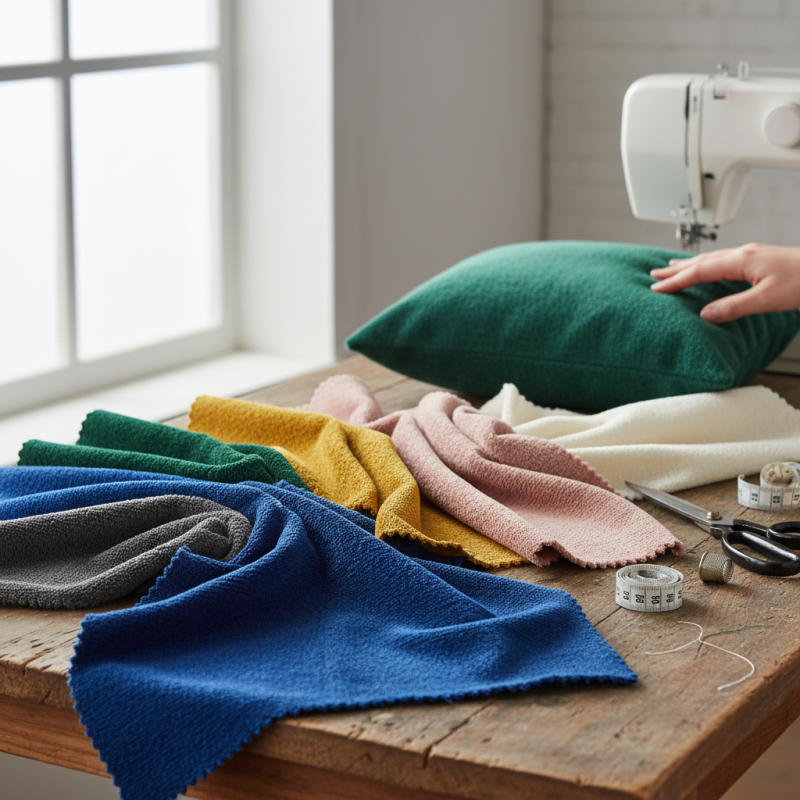
Understanding Chenille Fabric Types and Weaves
When selecting chenille fabric for your projects, understanding the various types and weaves is crucial. Chenille is known for its soft texture, making it popular in upholstery and crafts. According to industry reports, chenille's unique pile structure can enhance a fabric's durability and aesthetic appeal. Different weaves can result in vastly different looks and textures, impacting how the fabric drapes and feels.
Tip: Always consider the weave type. Traditional chenille features long pile fibers, creating a more luxurious feel. However, short-pile chenille offers a sturdier option, suitable for high-traffic areas. It’s important to analyze the intended use of your project when deciding on the fabric type. Some weaves may not be suitable for outdoor use due to their susceptibility to weather and sun damage.
Choosing the right chenille can be overwhelming. The weight and thickness of the fabric matter. Reports indicate that heavier fabrics are better for upholstery, while lighter ones work well for draping. Pay attention to these details. Test swatches can reveal a lot about the fabric’s quality and usability. Remember, not all chenilles are created equal; some may have inconsistencies in pile density, which can affect the final appearance of your project.
Assessing the Texture and Feel of Chenille Fabric
When choosing chenille fabric, texture and feel play a crucial role. Chenille is known for its unique softness and tufted surface, often resembling a plush nap. According to industry insights, about 70% of consumers prioritize tactile qualities when selecting fabrics for textiles and upholstery. This highlights the importance of assessing how chenille feels against the skin or other materials in your project.
While texture is vital, it is also essential to consider the weave and pile length. Shorter piles offer a sleeker surface, making them suitable for contemporary designs. In contrast, longer piles provide a more luxurious feel but may be more challenging to maintain. A recent survey indicated that 55% of designers prefer mid-range pile lengths for both comfort and usability, suggesting a balance between aesthetics and practicality.
Imagining how chenille will behave in your project is equally important. It may stretch or flatten after prolonged use. This potential for distortion can impact the overall performance of the fabric in high-traffic areas. Being aware of these aspects ensures that your selection will meet both your aesthetic desires and functional needs.
Texture Assessment of Chenille Fabric for Projects
Evaluating Color Options and Their Impact on Projects
When selecting chenille fabric, color options play a crucial role in influencing a project's overall impact. According to the Color Marketing Group, 80% of consumers make purchasing decisions based on color alone. This statistic underscores the significance of color in interior design and fashion. Warm tones can evoke feelings of comfort and coziness, perfect for home décor. Cooler colors, on the other hand, often lend a sense of calm and relaxation, ideal for bedrooms or meditation spaces.
Additionally, light and dark shades can alter perception. A study by the Institute for Color Research shows that people make a subconscious judgment about an environment within 90 seconds. This judgment is based on color. Hence, choosing the right shade of chenille fabric is vital for creating desired aesthetics. While vibrant colors can energize a space, muted shades might offer a more subtle approach.
However, it’s essential to reflect on personal preferences and project goals. Sometimes, we might feel drawn to colors that aren't necessarily aligned with our vision. There’s value in understanding trends, but authenticity should guide choices too. Making informed color selections can lead to more impactful outcomes, but it’s okay to reevaluate and experiment along the way.
Identifying Appropriate Projects for Chenille Fabric Use
When selecting chenille fabric for projects, consider the type of items you want to create. Chenille is known for its soft texture and durability, making it ideal for cushions or throws. The plush surface adds warmth and comfort, perfect for a cozy home environment. However, it can be prone to snagging, so delicate designs may not be suitable.
For children's items, such as stuffed animals or blankets, chenille fabric is a fantastic choice. The fabric's gentle feel is comfortable against the skin. Yet, one must consider the cleaning process. Chenille can be more challenging to wash than standard fabrics. It may require special care, which can be time-consuming.
Home décor projects also benefit from chenille's aesthetic appeal. It can elevate a simple cushion into a statement piece. Remember, though, that the weight of the fabric may affect its drape. Heavier chenille might not work well for flowing curtains. Evaluating the project specifics and fabric weight is essential for achieving desired results.
Caring for and Maintaining Chenille Fabric Over Time
Caring for chenille fabric requires attention and the right techniques. This cozy fabric can easily attract dirt and stains. Regular cleaning is vital. Try to vacuum it weekly with a soft brush attachment to remove dust and debris. Spot clean any stains immediately to avoid permanent marks. Use mild soap and water on a clean cloth. Blot gently, don’t rub.
Chenille should be washed carefully to maintain its texture. Always follow the care label. For machine washing, use a gentle cycle with cold water. It’s better to air dry chenille items. Avoid direct sunlight, as it can fade colors over time. Ironing isn’t usually necessary, but if you must, use a low heat setting with a cloth barrier.
One tip to extend the life of your chenille is to avoid heavy furniture on it. This can crush the fibers and ruin the look. Instead, consider using coasters or protective pads. It helps maintain that soft, plush feel. Occasionally fluff the fabric by hand for a fresh appearance. Remember, proper care keeps chenille looking beautiful and inviting.