What Is a Plasma Cutting Machine?

A Plasma Cutting Machine uses a focused plasma arc to cut electrically conductive metals with speed and precision. It works by forcing compressed air or another suitable gas through a small torch nozzle. The gas becomes ionized, creating an extremely hot plasma stream that melts the metal. The same airflow pushes molten material away from the cut. That is the basic principle.

In practical workshops, this process can cut steel, stainless steel, aluminum, copper, and other conductive materials. An operator may guide the torch by hand, while CNC systems follow digital cutting paths for repeatable results. A clean cut depends on amperage, material thickness, air pressure, torch height, and nozzle condition. Small errors matter. A worn electrode can produce a rough edge, excessive dross, or an unstable arc. Experienced users inspect consumables before every serious job and test settings on scrap metal first.

A Plasma Cutting Machine is not simply a faster saw. It produces intense light, heat, fumes, noise, and sparks, so proper ventilation, eye protection, gloves, and flame-resistant clothing are essential. Manufacturer instructions should guide setup and maintenance, because machines differ considerably. Some advertised cutting capacities also assume ideal conditions, not continuous production. That detail is easy to overlook. Understanding the machine’s plasma generation, controls, limitations, and safety requirements helps buyers and operators make more reliable decisions. This guide examines how plasma cutting works, where it performs well, and why careful preparation still determines the final cut quality.
What Is a Plasma Cutting Machine?

Definition and Basic Function of a Plasma Cutting Machine

A plasma cutting machine uses an electrical arc and compressed gas to cut electrically conductive metals. The arc heats the gas until it becomes plasma, a very hot, electrically charged stream. This stream melts a narrow area of the workpiece, while fast-moving gas pushes the molten metal through the cut. That is the job. Common materials include mild steel, stainless steel, and aluminum.

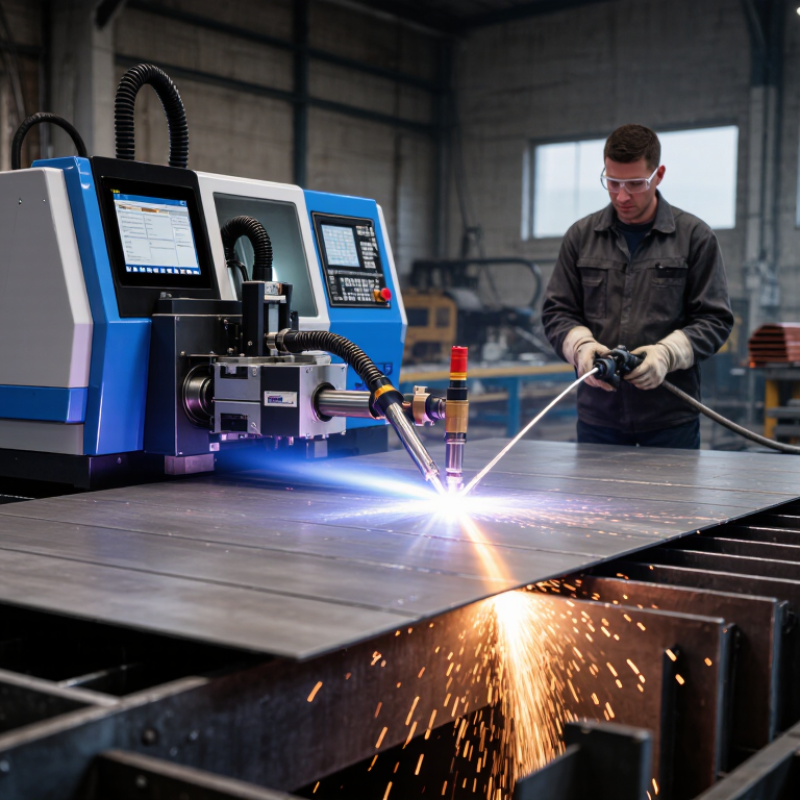
A typical setup includes a power source, torch, gas supply, and work clamp. The operator connects the clamp to the metal, then guides the torch by hand or with a cutting table. The torch’s distance and travel speed matter: move too slowly, and the edge may collect slag; move too quickly, and the cut may not pass through. The result can be rougher than expected. Cut quality also depends on metal thickness, clean contact, and consumable condition. Even a small change in torch height can affect the finished edge. Plasma cutting is useful for practical, quick cuts, but it does not make every edge square or ready for precision assembly. An extra cleanup step is sometimes needed.

Main Components and How Plasma Cutting Works

What Is a Plasma Cutting Machine?

Main Components and How Plasma Cutting Works

A plasma cutting machine turns electrical energy and compressed gas into a narrow, high-energy cutting arc. Its main parts include a power supply, torch, electrode, nozzle, gas supply, work clamp, and motion system. The clamp completes the electrical circuit through the metal. Inside the torch, gas flows past the electrode and through a small nozzle opening. The power supply starts an arc, and the gas becomes electrically conductive plasma.

The American Welding Society’s Welding Handbook describes plasma-arc temperatures reaching about 20,000°C. The exact cutting result still depends on material, thickness, gas, and settings.

The nozzle constricts the arc, concentrating heat on a small area. The plasma melts the metal, while the fast gas stream pushes molten material through the cut. A CNC table can guide the torch along a programmed path; a handheld torch relies on the operator’s control.

Clean, dry consumables matter. A worn nozzle can widen the arc and leave a bevelled edge or excess dross underneath.

ISO 9013:2017 classifies thermal-cut quality using measures such as perpendicularity and surface roughness, rather than one universal “good cut” setting. That distinction is useful.

A neat-looking edge can still miss a required tolerance, so test cuts and inspection remain important.

Materials and Thicknesses Suitable for Plasma Cutting

Plasma cutting is practical when the material and thickness match the machine’s real capacity. Mild steel, stainless steel, and aluminum are the usual choices. Copper and brass can also be cut, but their heat conductivity often demands slower travel speeds. The World Steel Association reported global crude steel production above 1.8 billion tonnes in 2023, showing why steel remains central to fabrication work. Plasma handles conductive metals only. It cannot cut wood, glass, or most plastics.

Thickness is more complicated than a catalog number. Many workshop systems produce clean cuts from 1 mm to about 25 mm steel. Heavy-duty systems can pierce and separate plates beyond 50 mm, but edge quality may decline. ISO 9013:2017 classifies thermal-cut quality by factors such as perpendicularity, roughness, and dimensional tolerance. A maximum cut rating is not a precision rating.

In practice, I check three limits: recommended cutting thickness, maximum severance thickness, and piercing capacity. The last one is often overlooked. A 12 mm stainless-steel plate may cut well from an edge, yet struggle when pierced in the center. Heat distortion also increases on thin sheet, especially below 3 mm. Industry market assessments published in 2024 identify mild steel, stainless steel, and aluminum as leading plasma applications, but application data cannot replace a test cut. I have trusted specifications too quickly before. The better approach is simple: test the actual alloy, thickness, and cutting speed before production.

Types of Plasma Cutting Machines and Their Differences

What Is a Plasma Cutting Machine?

A plasma cutting machine uses an electrically heated gas stream to melt and remove conductive metal. The torch creates a focused arc through compressed air or another suitable gas. This process can cut steel, stainless steel, aluminum, and similar materials. The result is fast, narrow, and often surprisingly clean. However, the cut edge still depends on settings, material thickness, and operator control.

Types of Plasma Cutting Machines and Their Differences

Handheld plasma cutters suit repair work, small workshops, and irregular shapes. They are portable and relatively simple to operate. An operator guides the torch across a marked line. Small mistakes can create uneven edges or extra dross. CNC plasma machines follow programmed paths on a cutting table. They deliver repeatable dimensions and support batch production. Yet, software settings, torch height, and material alignment must work together. Automation reduces guesswork, but it does not remove responsibility.

High-definition plasma systems use refined torch designs and tighter control. They usually produce cleaner edges on thicker sheet metal than standard systems. Air plasma equipment is more economical and convenient for general fabrication. Gas-based systems may offer better results for specialized work, but operating costs can increase. Underwater cutting tables reduce smoke, glare, and heat transfer during heavy cutting. They also require careful maintenance and suitable water management. In practice, the most advanced machine is not always the best choice. A fabricator should compare thickness range, accuracy, duty cycle, portability, and maintenance needs. Check the cut surface before trusting the setting.

What Is a Plasma Cutting Machine? — Types of Plasma Cutting Machines and Their Differences

Machine Type How It Works Typical Materials and Use Cut Quality and Precision Main Advantages Key Limitations
Handheld Air Plasma Cutter An operator guides a hand torch. Compressed air commonly serves as the plasma gas and, in many systems, the shielding gas. Repair, fabrication, and maintenance work on electrically conductive metals such as mild steel, stainless steel, and aluminum. Depends heavily on operator skill, torch guidance, and material thickness. A guide or template can improve consistency. Portable, quick to set up, and useful for short cuts or work at different locations. Less repeatable than mechanized cutting; edge squareness and finish can vary, and manual cutting is not ideal for high-volume production.
Mechanized Conventional Plasma A torch is mounted on a cutting table or other motion system. The machine follows a programmed or guided path; air or other specified gases may be used. Plate cutting, production parts, and profile cutting in fabrication shops. Suitable systems are available for a range of plate thicknesses. More consistent than freehand cutting. Results depend on the power source, torch, motion system, consumables, and cutting parameters. Repeatable paths and faster processing of multiple parts; can be integrated with CNC controls and nesting software. Requires a table or motion system, setup, and fume management. Conventional systems generally do not match high-definition systems for fine detail or edge quality.
High-Definition Plasma Uses a carefully constricted, high-energy plasma arc and controlled gas flows to produce a narrower, more stable cut than conventional plasma systems. Mechanized production cutting where close tolerances, cleaner edges, or reduced secondary finishing are important. Typically provides finer cuts and better edge consistency than conventional plasma, when correctly set up and maintained. High productivity and improved cut quality for many industrial plate-cutting applications. Higher equipment and operating complexity; performance depends on correct torch height, gas selection, consumable condition, and material setup.
Precision or Fine-Feature Plasma Uses specialized torch and process designs intended to maintain a controlled arc for smaller features and detailed profiles. It is generally used with mechanized equipment. Parts with relatively small holes, narrow contours, or detailed shapes in conductive sheet and plate, within the system’s rated capacity. Designed for finer features than general-purpose plasma cutting; achievable results vary with material, thickness, and machine configuration. Can cut detailed shapes without the cutting speed and material limitations associated with some other thermal processes. Not every plasma system can achieve fine-feature results. Small holes and tight tolerances may still require process-specific testing or secondary machining.
Underwater Plasma Cutting System The workpiece is cut with the cutting zone submerged or operated beneath a water surface, using equipment configured for underwater service. Specialized mechanized cutting applications where reducing airborne fumes, light, or noise is a priority. Cut quality depends on the system and cutting parameters; underwater operation can affect arc behavior and may require dedicated setup. Water can help suppress fumes, arc glare, and noise compared with dry cutting. Requires a suitable water table or submerged setup, water management, and compatible equipment. It is not interchangeable with ordinary dry-cutting configurations.

Selection note: Plasma cutters work on electrically conductive materials. Maximum cut thickness, speed, and edge quality vary by power source, torch, gas, material type, and manufacturer-rated operating conditions; compare specifications for the specific machine and application.

Advantages, Limitations, and Common Applications

What Is a Plasma Cutting Machine?

Advantages, Limitations, and Common Applications

A plasma cutting machine uses an electric arc and compressed gas to melt conductive metal. The gas then pushes molten metal through a narrow opening, producing a fast, focused cut. In a workshop, operators often use it on mild steel, stainless steel, and aluminum. It can cut curved brackets, machine guards, sign plates, and repair parts with little setup time. Thin sheet metal usually shows clean edges. Thick plate may leave visible dross.

Speed is the main advantage. A skilled operator can follow a marked line quickly, especially when compared with manual sawing. CNC tables also repeat shapes accurately and reduce material handling. Grand View Research’s 2024 market analysis projects steady global growth for plasma cutting equipment through 2030, reflecting wider use in fabrication and construction. The figures vary between reports, so purchasing decisions should not rely on market forecasts alone.

Plasma Cutting Has Clear Limits

Plasma cutting has clear limits. It only cuts electrically conductive materials. The process creates heat-affected zones, noise, ultraviolet radiation, fumes, and compressed-air demand.

NIOSH uses 85 dBA as an occupational noise exposure limit, so hearing protection may be necessary near active cutting.

Poor grounding, incorrect air pressure, or excessive travel speed can create bevelled edges and heavy slag.

That assumption deserves checking.

Ventilation is essential, especially when coatings or unknown residues remain on the metal. Real-world performance depends on consumable condition, operator technique, material thickness, and careful maintenance.